
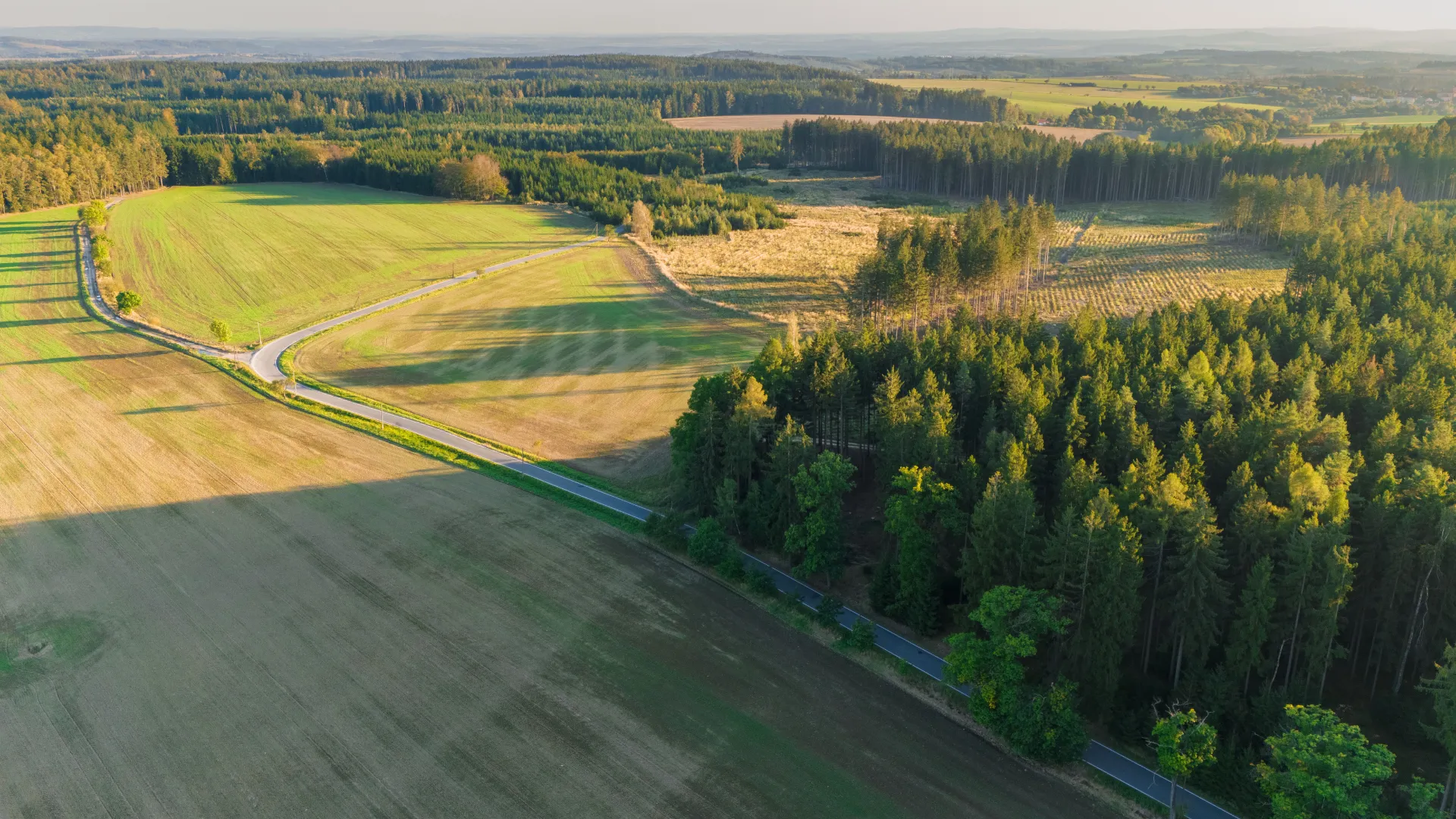
A carbon project begins with a possibility: land that could be restored, agricultural practices that could be improved, or a threatened forest that could be protected. Turning that possibility into a funded project requires a progressively stronger case for investment. At every stage, the developer must answer the same question: what would give someone sufficient confidence to fund the next step?
This question connects the journey from initial concept to feasibility, implementation and credit sales. It also provides a practical way to manage development expenditure. Rather than committing substantial resources before the fundamentals are understood, developers can build the evidence in stages, using each assessment to determine whether the next investment is justified. At C4, we help clients move through that process, connecting technical assessment with the decisions needed to advance a project.
Shape an opportunity that someone could invest in
The starting point varies. A developer may have access to agricultural land and want to understand its carbon potential. An NGO may have established relationships in a landscape and be exploring restoration opportunities. Alternatively, an organisation may have funding to develop projects and be searching for suitable locations. Each brings something valuable, but each still needs to establish what activities could credibly generate climate benefits and support a viable proposition.
That proposition should be informed by prospective buyers from the outset. Their requirements can influence the choice of location, project activity, standard and methodology. Early market engagement helps establish which outcomes buyers value and what conditions the project would need to meet. It also helps developers avoid spending heavily on a design whose intended market has never been properly considered.
The same reasoning applies to country selection. A promising landscape becomes more attractive when investors can understand the rules governing its development and the approvals needed to sell its credits. Developers should therefore assess the national carbon market framework, government support and the pathway to relevant project approvals. Where the intended market requires Article 6 authorisation, confidence that the government can provide it is essential. Letters of no objection and formal host-country authorisations should be investigated early, with their different purposes clearly understood.
Together, these considerations turn a broad ambition into a more focused proposition: a proposed activity, in a suitable location, with an identifiable market and a plausible approval pathway. The next task is to establish whether that proposition warrants further expenditure.
Establish enough confidence to fund feasibility
Early screening should concentrate on the issues most likely to determine whether the idea can proceed. Is there an applicable methodology? Is there a credible additionality argument? What would happen without the proposed intervention? Are tenure and project rights sufficiently clear? Is the potential scale reasonable relative to the likely costs? Uncertainty is expected at this stage; the purpose is to identify which uncertainties can be investigated and which may undermine the opportunity altogether.
C4’s free automated pre-scoping study helps organise these questions into an initial project assessment. It brings together the proposed activities, indicative carbon potential, possible community benefits and the gaps requiring further investigation. This gives developers a foundation for deciding whether a detailed feasibility study is justified, without first commissioning an expensive assessment of an unsuitable concept.
The pre-scoping document can also support the first funding conversation. A prospective funder needs to understand why the opportunity is worth investigating, what the feasibility study would establish and which decision its findings would enable. Preliminary estimates should be presented as preliminary, with the funding request tied to resolving specific questions. That makes the proposition more credible than treating an encouraging initial assessment as confirmation of a viable project.
Some developers finance feasibility themselves, while others secure support from a grant provider, investor or prospective buyer. The appropriate route depends on the opportunity and the funder’s appetite for early development risk. In either case, the purpose of that capital is the same: to replace initial assumptions with evidence strong enough to support a larger commitment.
Build the case for implementation capital
Feasibility is where the initial proposition is tested in depth. Depending on the activity, the work may include field assessments, forest inventories, soil sampling, stakeholder engagement, carbon modelling and financial analysis. These activities should be directed towards a clear decision about whether the project can generate credible climate benefits, deliver its proposed activities and sustain workable economics.
The financial assessment must connect anticipated credit volumes with the costs and timing of delivery. Development expenditure, implementation costs, ongoing operations and the period before potential revenue all affect the amount of capital required. Testing different price, cost and delivery assumptions then helps establish whether the proposition remains convincing when conditions change.
This is why feasibility should lead to a recommendation, rather than simply a larger set of estimates. The evidence may support proceeding, changing the design, investigating a remaining gap or stopping. For a promising project, it provides the basis for a more substantive discussion with investors: what their capital would finance, how it would be deployed and which risks remain.
C4 can help clients prepare for these discussions and engage potential investors and buyers. As the evidence strengthens, the conversation can move from funding an investigation to financing a defined project. That transition is a significant milestone, but it also brings a new requirement: the technical development plan and the financing plan must now advance together.
Align project preparation with the funding pathway
Where the decision is to proceed, the technical case is developed into the documentation required by the selected carbon standard. This sets out the baseline, additionality argument, proposed activities, estimated climate benefits and monitoring arrangements, followed by the applicable consultation, independent validation and registration processes. Developers contribute throughout by providing reliable information, establishing rights, facilitating engagement with rights holders and confirming delivery responsibilities.
The sequence of this work should reflect both programme requirements and available funding. Feasibility and project documentation may sometimes overlap, and implementation may begin before registration where the applicable rules and project circumstances allow. Such decisions need careful planning because start dates, eligibility conditions and documentation deadlines can affect whether activities qualify.
While this preparation progresses, investors and buyers need a clear account of how the project will be financed through to revenue. An implementation budget must cover more than establishing activities: it must also provide for ongoing management, monitoring and independent audits. A technically sound project can still face a financing gap if its capital runs out before credits become available.
Carbon credit purchase or offtake agreements may form part of the solution. C4 can support these discussions alongside investor engagement, helping clients connect the funding requirement with potential commercial arrangements. Agreements for future delivery, however, create obligations as well as opportunities. Their volumes and timelines must remain consistent with the evidence developed through feasibility and project design.
Carry the investment case through to credit revenue
Once funded activities begin, the project must demonstrate the results on which its revenue expectations depend. Monitoring records those results, independent verification assesses them, and the relevant programme’s approval and issuance processes determine which credits become available. Several monitoring and verification cycles may occur during a project’s crediting period, so the timing of expenditure and potential receipts needs to remain visible throughout.
Buyer discussions can begin well before issuance, but forecast volumes, contracted future deliveries and verified, issued credits represent different levels of certainty. Maintaining that distinction helps developers communicate accurately with funders and negotiate commitments they can reasonably expect to fulfil. The investment case developed at the beginning therefore remains relevant as the project moves into delivery.
C4 supports clients across this progression, from early screening and feasibility through project documentation, registration support, implementation and monitoring, alongside assistance with investor and buyer engagement. For our technical studies, we charge professional fees rather than taking a share of credits. This separates our technical remuneration from projected or issued volumes and supports frank advice about whether an opportunity merits further investment.
Combined with TAG International’s development experience, our role is to help clients connect each stage with the decision that follows it. An initial idea needs enough evidence to justify feasibility; feasibility needs to support a credible financing proposition; and financing must sustain delivery through to potential credit revenue. Keeping those connections clear gives developers a practical route forward.
If you have access to land, a project concept or a mandate to develop carbon projects, C4’s free automated pre-scoping study provides a starting point. It helps establish what is already understood, what remains uncertain and what would justify the next investment. Our next article takes the journey further, examining how the disciplines behind a carbon project work together as those commitments become real.