
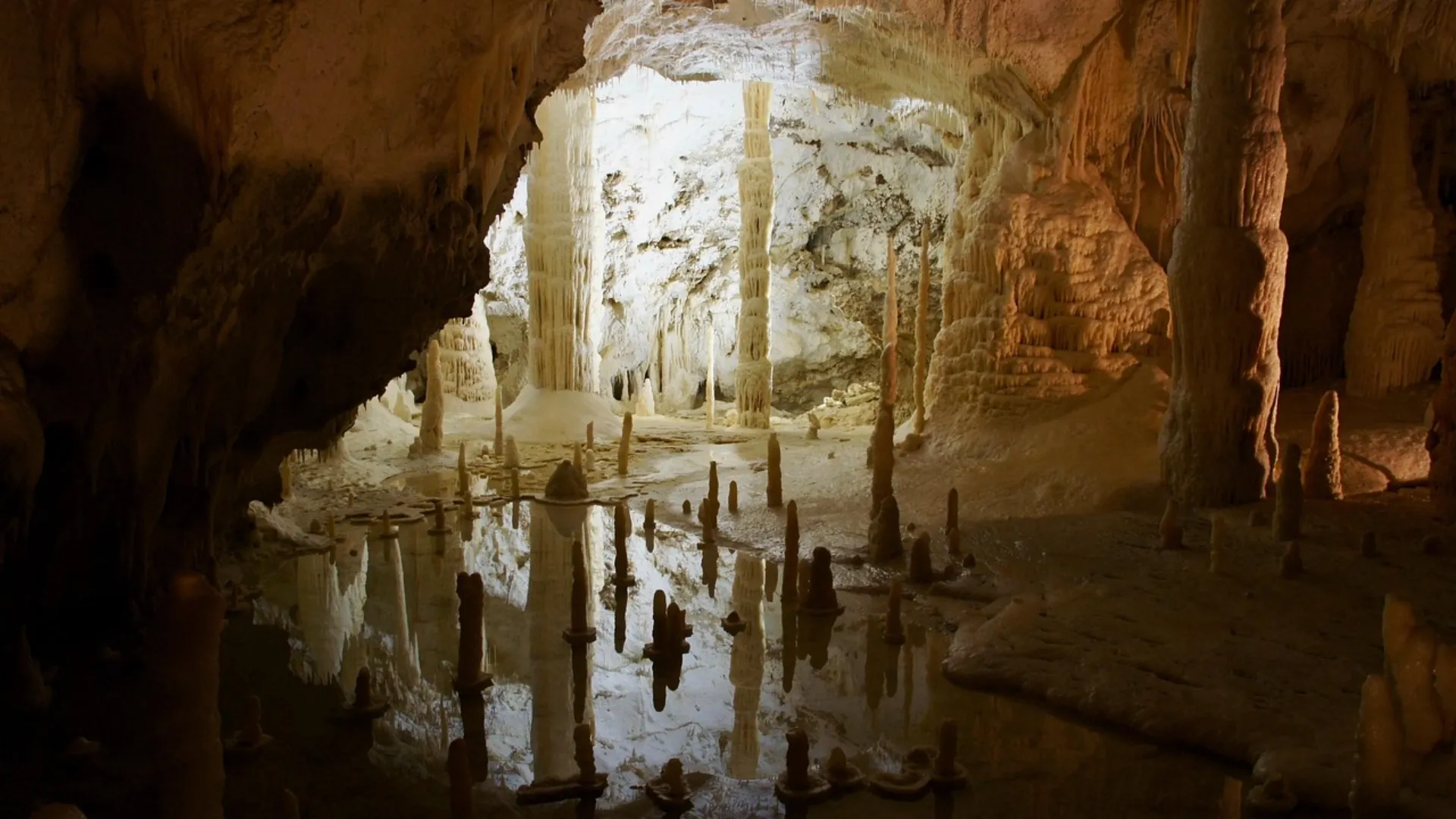
The first ever International Day of Caves and Karst will be observed on 13 September 2026. As one of the newest proclaimed UNESCO international days, it is important to raise awareness around the upcoming day that celebrates our shared heritage of sensitive karst biodiversity, and draw attention to other vulnerable ecosystems that are threatened by climate change and which leaders in the climate space — including C4 EcoSolutions — actively seeks to protect through its work.
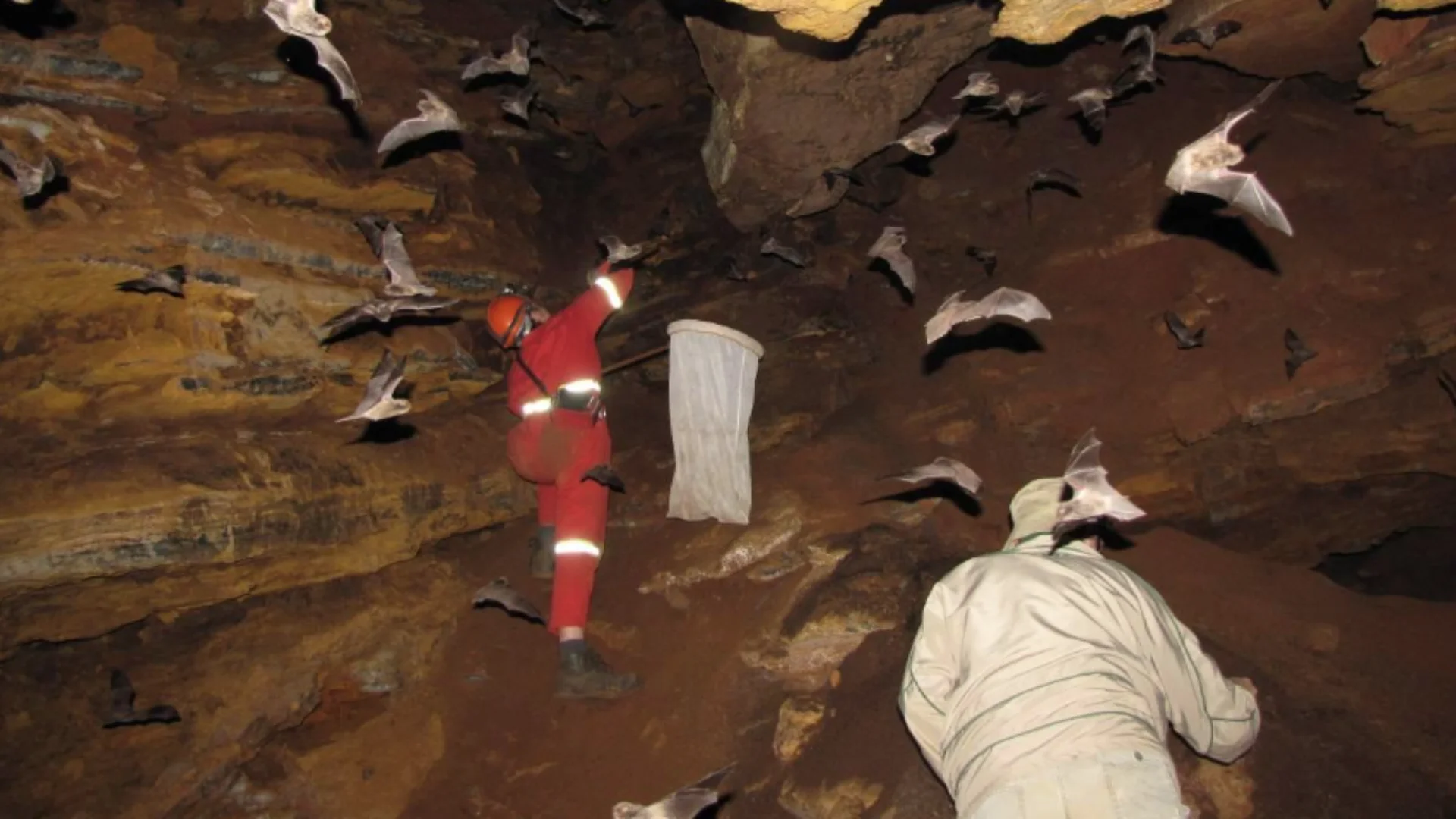
Karst landscapes cover — or are covered by — bout 20% of the world’s land area. These landscapes include interconnected system of steep mountains, caves, fissures, underground rivers, aquifers. These features develop as water gradually dissolves soluble rocks such as limestone, dolomite and gypsum. Although largely hidden, cave systems support unique ecosystems hosting diverse fauna and flora and often have vast water reserves. Collectively, karst aquifers contain an estimated 25% of the world’s groundwater reserves and contribute approximately 13% of global drinking water supply. Caves also provide important roosting habitats for bats, which deliver ecosystem services, including the pollination of more than 700 plant species, many of which are used for food or medicine.
Despite their importance, cave and karst ecosystems remain poorly understood and are frequently overlooked in environmental planning. Their hydrology makes them particularly vulnerable: water and pollutants can move rapidly from the surface into underground conduits, often with little natural filtration. Agricultural chemicals, untreated wastewater, mining waste and pollution from unsustainable tourism can therefore contaminate aquifers and disrupt karst ecosystems. Climate change adds further pressure by altering rainfall and groundwater-recharge patterns, intensifying droughts and floods and producing extreme fluctuations in underground water levels. Changes in temperature and moisture can also affect the stable cave microclimates upon which specialised subterranean species depend. Yet karst and caves remain inadequately represented in many environmental laws, monitoring systems and climate-resilience strategies.
Growing recognition of these challenges led to a sustained international campaign for a dedicated annual observance. The initiative grew from the International Year of Caves and Karst in 2021–2022, during which more than 1,000 scientific, educational and public events were held under the theme Explore, Understand, Protect. Building on this momentum, the International Union of Speleology (UIS) prepared a formal proposal, while Slovenian scientific and government institutions coordinated its submission and diplomatic engagement with UNESCO Member States. The campaign ultimately attracted support from scientific organisations, universities, protected-area authorities, Indigenous representatives and speleological associations worldwide. By the time the proposal reached UNESCO’s Executive Board, it was co-sponsored by 59 countries. On 12 November 2025, UNESCO’s General Conference formally proclaimed 13 September as the International Day of Caves and Karst. The date commemorates the UIS’s first formal presentation on caves and karst at UNESCO headquarters on 13 September 2021.
The first-ever International Day of Caves and Karst will be celebrated in 2026, providing a new annual platform for scientific exchange, public education and coordinated action. Its inaugural international celebration will take place in Postojna, Slovenia, from 10 to 13 September, organised by the UIS and the Karst Research Institute ZRC SAZU. Under the theme “Explore, Understand and Protect: Towards Sustainable Management of Caves and Karst”, the programme will include an international scientific conference with keynote lectures and participant presentations. Field excursions will introduce participants to some of Slovenia’s best-known karst environments, including the Škocjan Caves, the Pivka intermittent lakes, Planina Cave, the natural bridges of Rakov Škocjan and Cerknica Polje. A meeting of speleologists, three-dimensional cave presentations and an official ceremony inside Postojna Cave are also planned. Together, these activities will mark the beginning of an annual global observance intended to make caves and karst more visible within discussions on water security, biodiversity, climate resilience, cultural heritage and sustainable development.
The International Day of Caves and Karst is also a reminder that biodiversity conservation extends well beyond the ecosystems that receive the most public attention. At C4 EcoSolutions, protecting and restoring biodiversity is embedded across much of our climate work, whether through carbon projects that reduce pressure on forests, restore degraded landscapes and strengthen habitat integrity, or through adaptation projects that use Nature-based Solutions to build community resilience while generating ecological co-benefits. From forest protection and agroforestry to ecosystem restoration and sustainable land management, these interventions can help address climate change while maintaining the ecosystems and ecological processes on which communities depend. As awareness grows around overlooked environments such as caves and karst, ensuring that climate action also supports biodiversity will remain an important part of building more resilient landscapes and societies.
References
Durand, F. Swart, A., Marais, W., Jansen van Rensburg, C., Habig, J., Dippenaar-Schoeman, A., et al., 2012, ‘Die karst-ekologie van die Bakwenagrot (Gauteng)’, Suid-Afrikaanse Tydskrif vir Natuurwetenskap en Tegnologie 31(1), 17 pages. http://dx.doi.org/10.4102/satnt.v31i1.275