
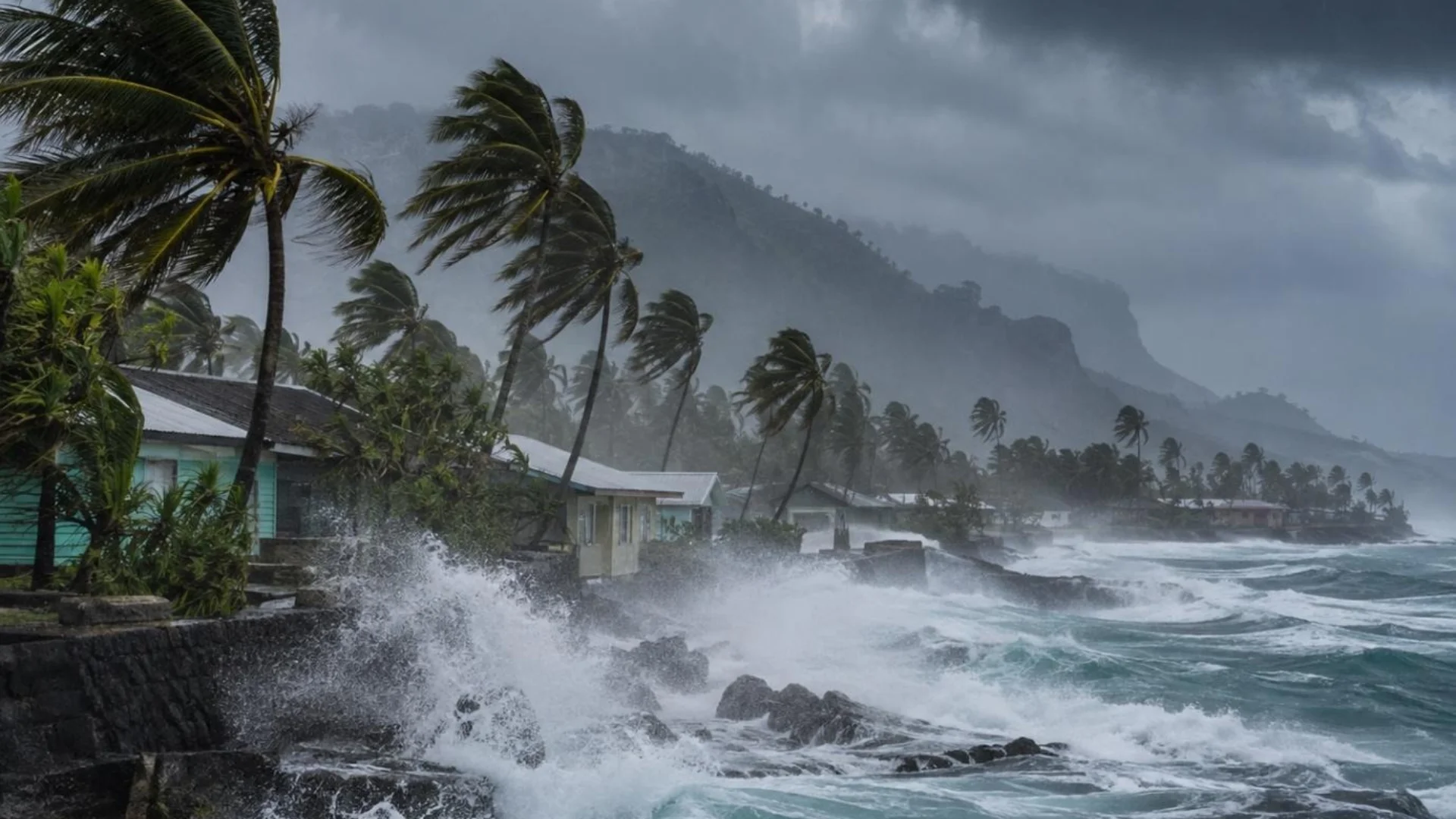
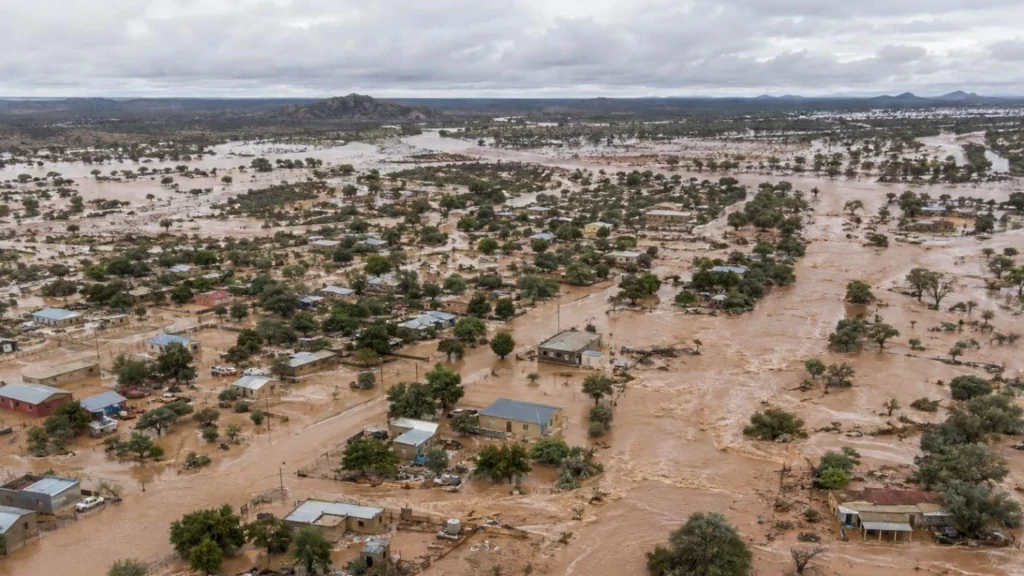
Communities around the world face growing risks from floods, droughts, extreme heat, wildfires, storms, earthquakes and other climate hazards. A hazard becomes a disaster when it intersects with vulnerable communities, infrastructure and ecosystems, particularly where preparedness measures to reduce risk are inadequate. While disaster risk cannot be eliminated entirely, prevention and preparedness can greatly reduce this risk and strengthen the resilience of communities.
Recognising the need for greater awareness and coordinated action, the United Nations General Assembly established an annual observance for disaster reduction in 1989. The observance was maintained in 2002 to promote a global culture of prevention, mitigation and preparedness and, in 2009, the 13th of October was formally designated as the International Day for Disaster Reduction. It has since become the International Day for Disaster Risk Reduction, providing an annual opportunity to highlight how governments, organisations and communities can reduce exposure and vulnerability to climate hazards.
UNESCO contributes to this effort by promoting a shift from responding to disasters after they occur towards reducing risks proactively. Its work combines education and science, including improving disaster risk reduction education, strengthening school safety, enhancing disaster risk management — for example, UNESCO’s post-earthquake reconstruction support in Myanmar, where the organisation is developing guidelines and training materials designed to equip local masons and homeowners with practical knowledge to build buildings more resilient to earthquakes — and supporting early warning and risk-monitoring systems. Through initiatives such as tsunami early warning and mitigation systems, earthquake risk reduction and the Comprehensive School Safety Framework, UNESCO supports countries and communities in developing the knowledge and capacity needed to anticipate, prepare for and respond to hazards.
C4 EcoSolutions contributes to these goals through all its work globally. Specifically, the firm’s climate risk assessments, adaptation planning and the development of projects that include early warning systems contribute directly to disaster risk reduction. In the short term, the adaptation projects developed have direct benefits for communities in less developed countries: increasing access to early warnings and climate information, as well as supporting alternative livelihoods and improving food and water security, which reduce vulnerability to hazards. In addition to our adaptation projects, the carbon projects that C4 develops have long-lasting climate change mitigation benefits, which will likely contribute to a reduced exacerbation of climate hazards in the long term.
C4 is contributing to disaster risk reduction through the following projects, to name a few.
- SADC regional climate resilience: C4 is supporting the Global Water Partnership to strengthen climate information and early warning systems across 13 SADC countries, improving preparedness for droughts, floods and cyclones.
- Eritrea disaster risk management: C4 supported UNDP to develop a national framework integrating disaster risk management and climate change adaptation in the agriculture and food security sector, drawing on the Sendai Framework for Disaster Risk Reduction.
- Songwe River Basin: C4 is supporting the development of an Adaptation Fund project in Malawi and Tanzania focused on reducing vulnerability to floods, droughts and water scarcity through early warning systems and locally led adaptation.
- Angola landscape restoration: C4 is implementing a large-scale carbon project in Angola that aims to generate carbon credits through sustainable agriculture, agroforestry and ecosystem restoration to strengthen rural climate resilience.
- Kuzuko restoration project: C4 developed a thicket restoration project in South Africa’s Eastern Cape, restoring degraded landscapes with indigenous spekboom in order to sequester carbon.
The International Day for Disaster Risk Reduction is a reminder that reducing disaster impacts depends on risk reduction and preparedness measures being implemented before a hazard occurs to prevent it from becoming disaster. Investment in climate and risk information, early warning systems, resilient infrastructure and ecosystems, awareness and education, and locally appropriate adaptation measures can help communities protect lives and livelihoods while becoming better prepared for an increasingly uncertain climate.