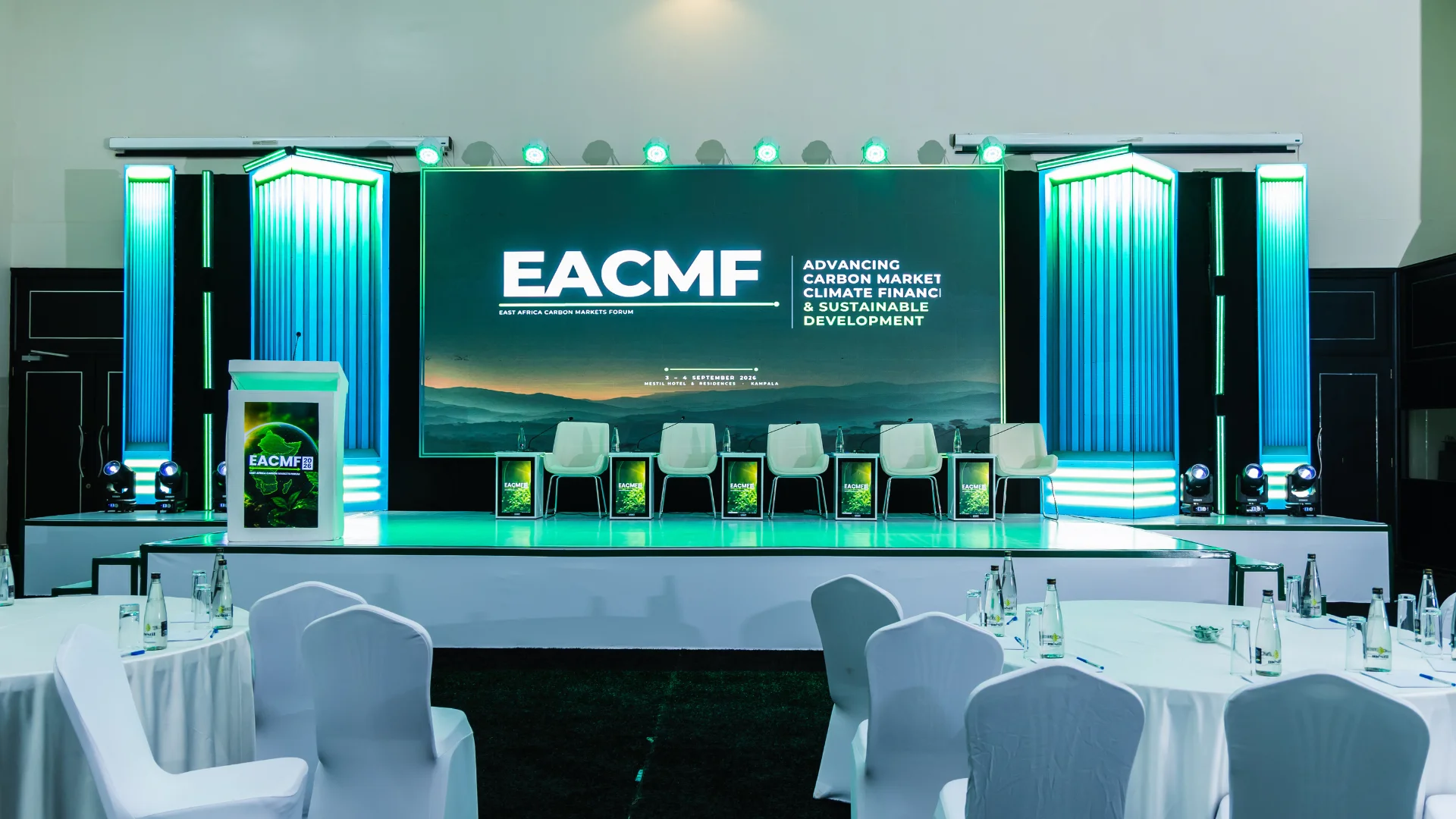
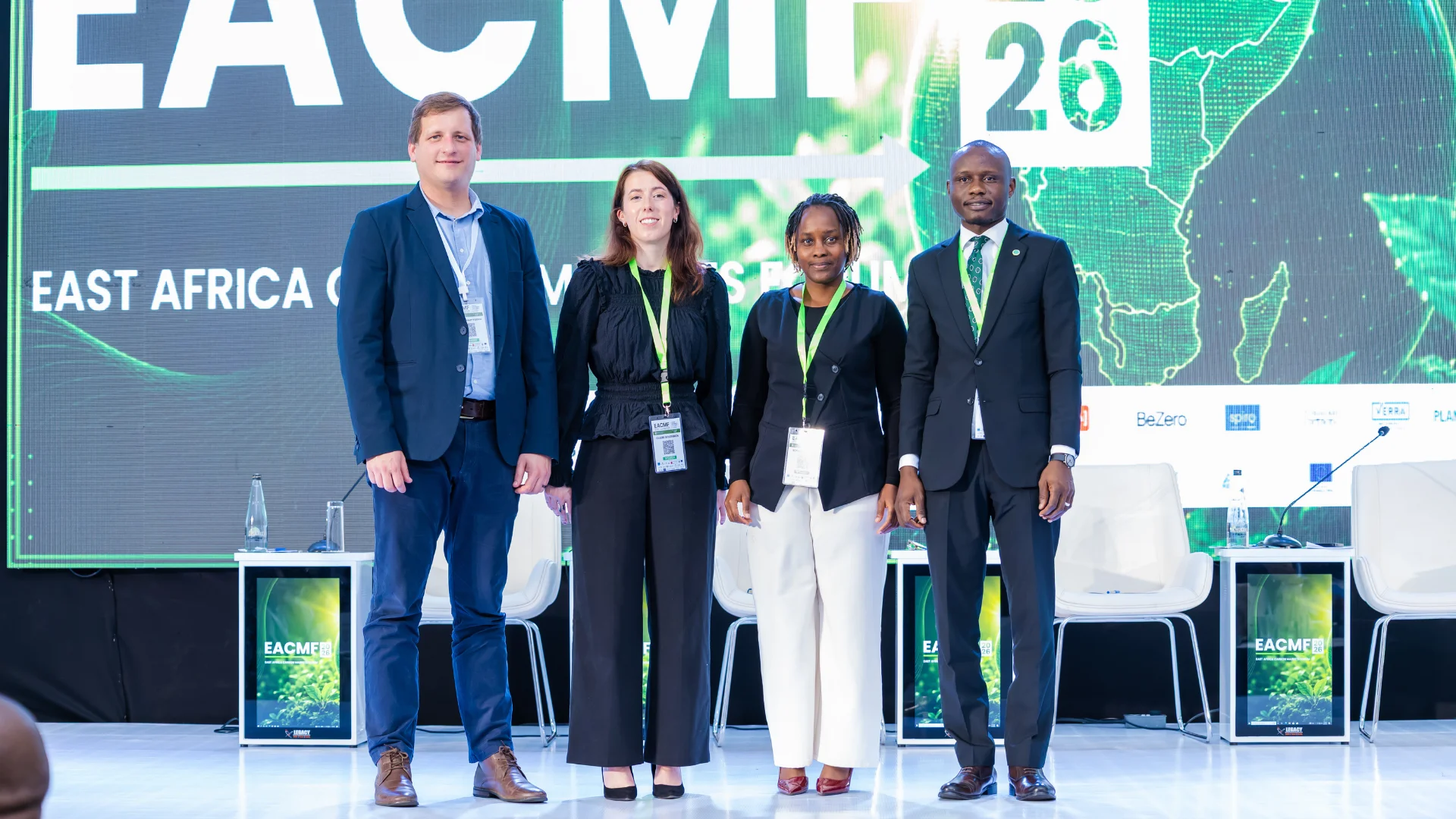
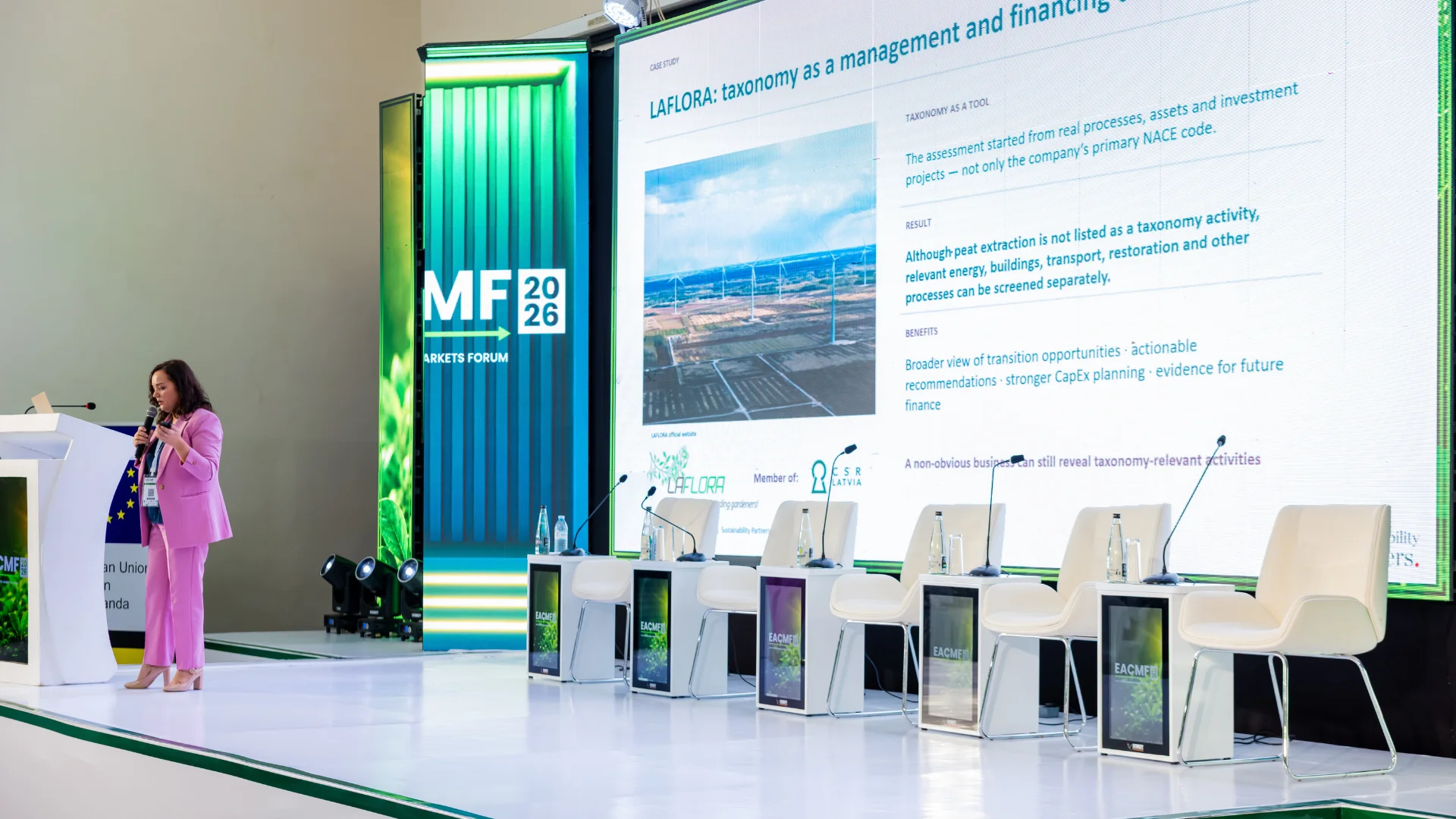
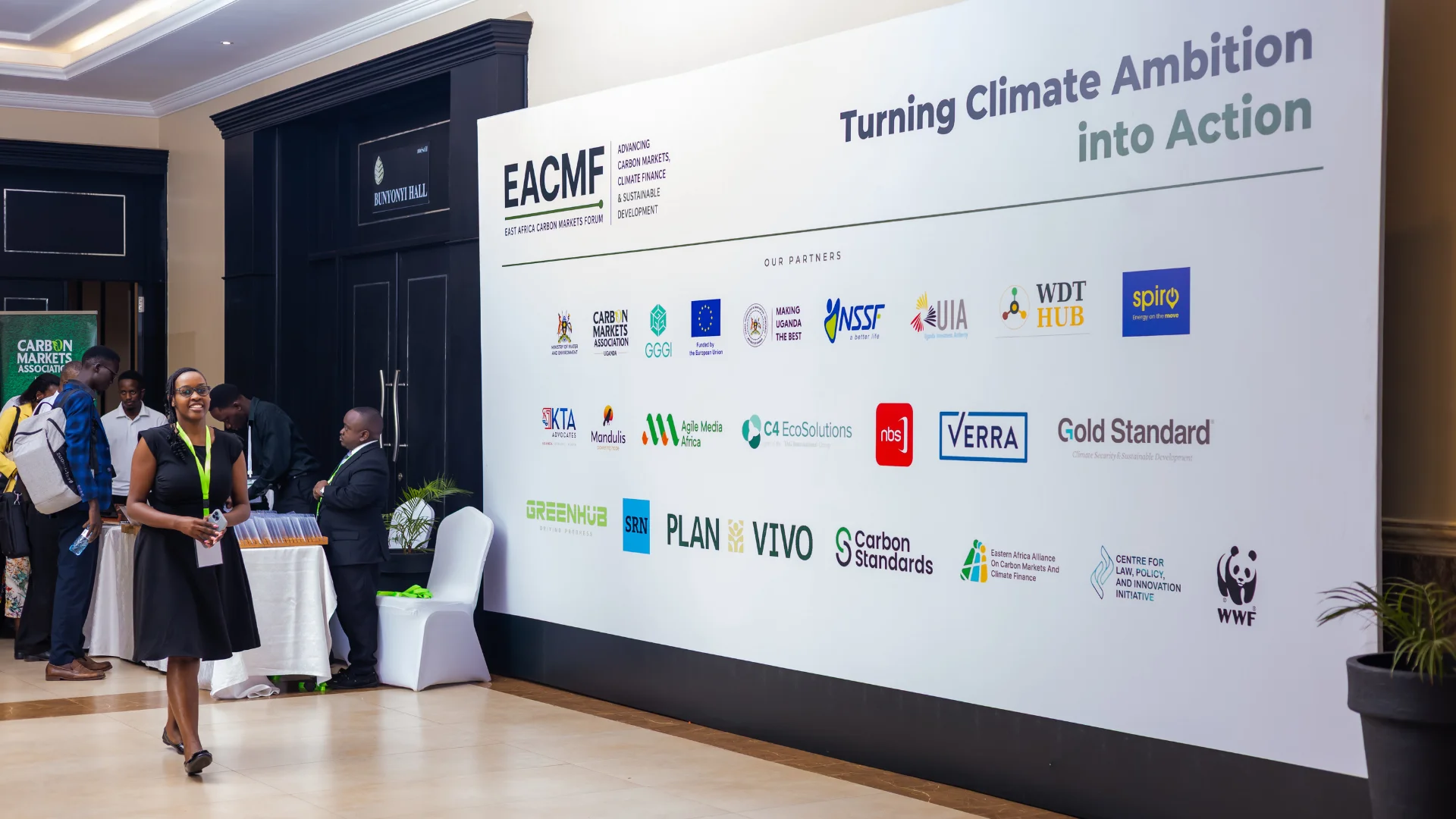
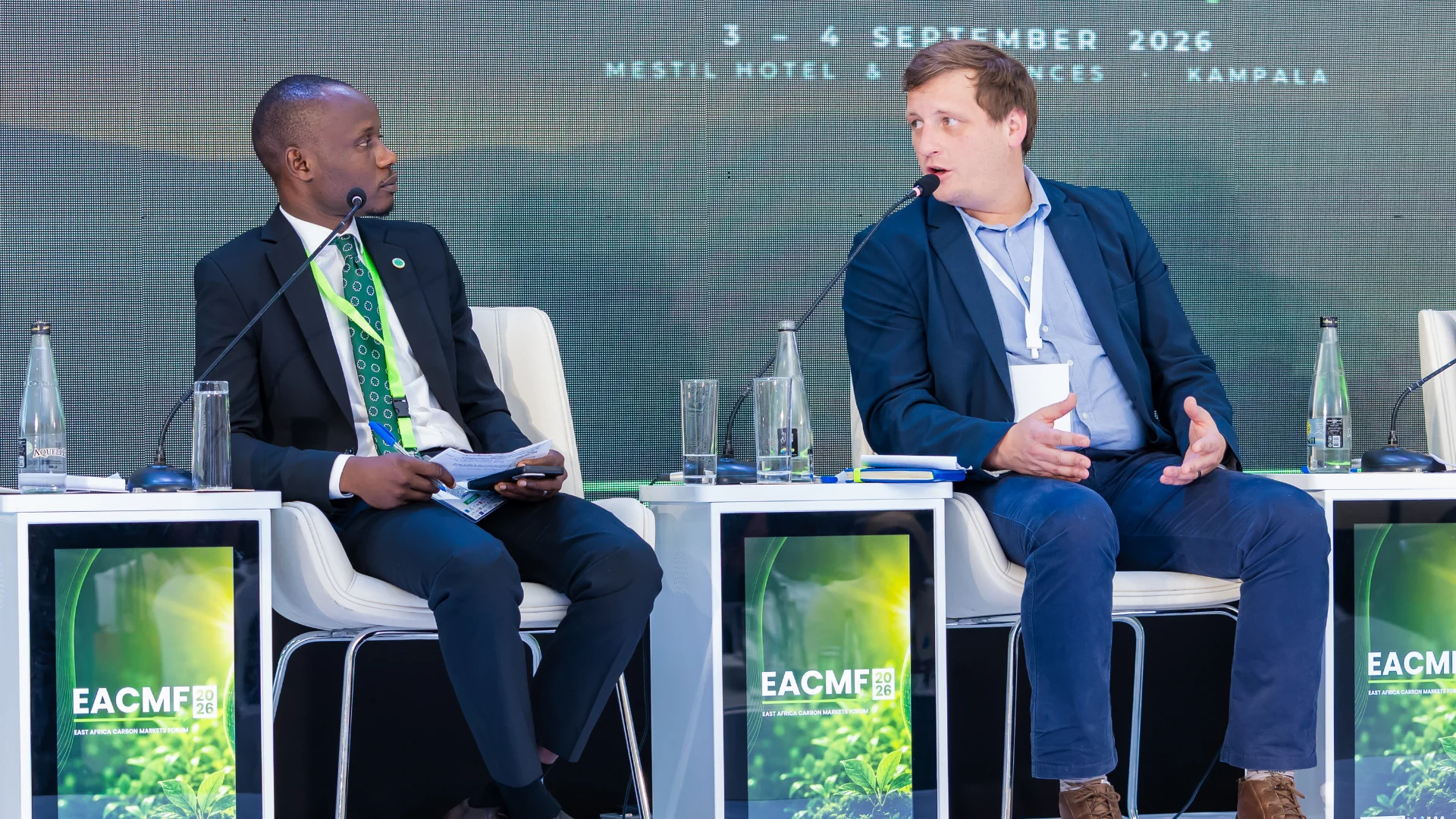
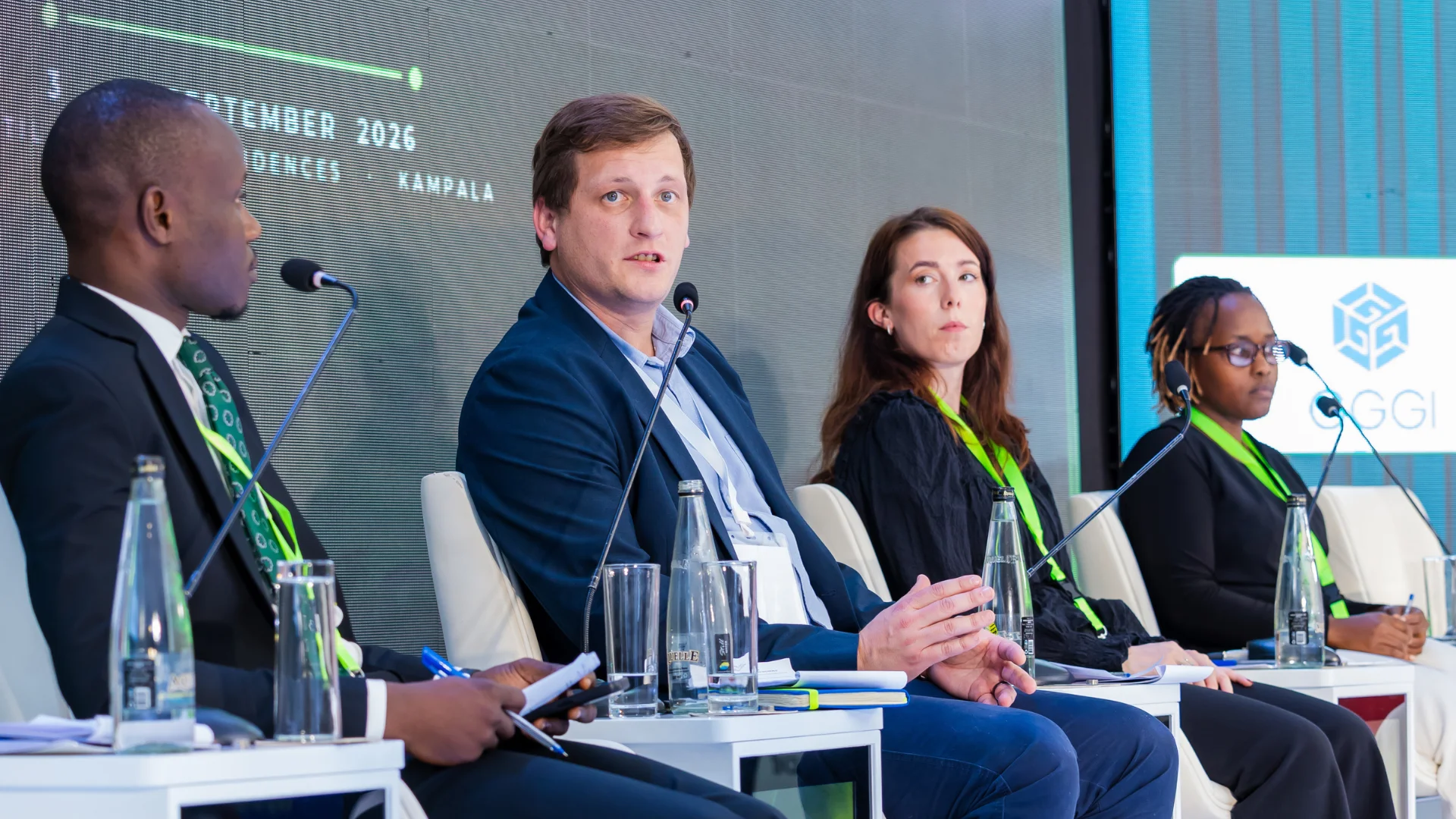
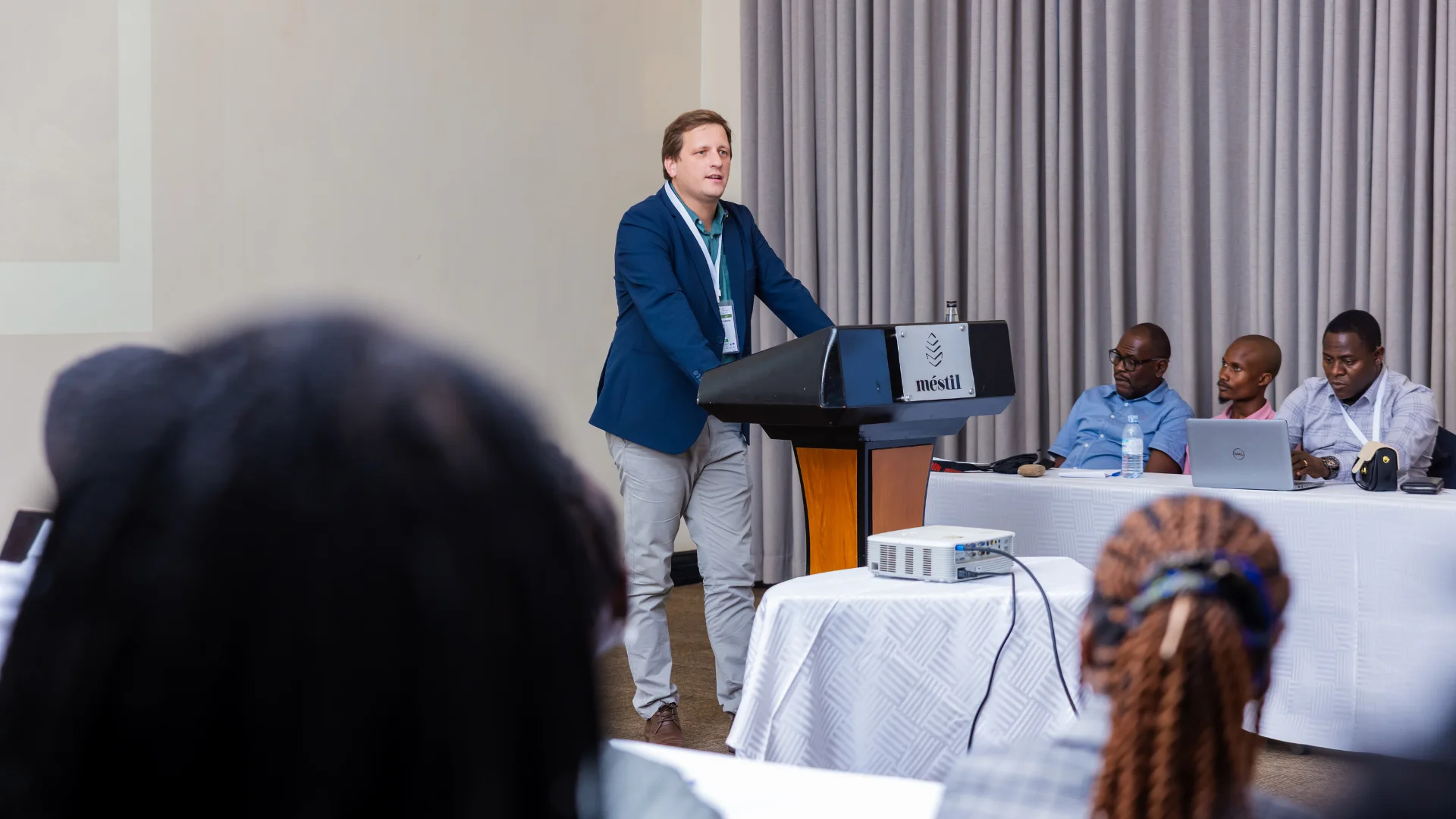
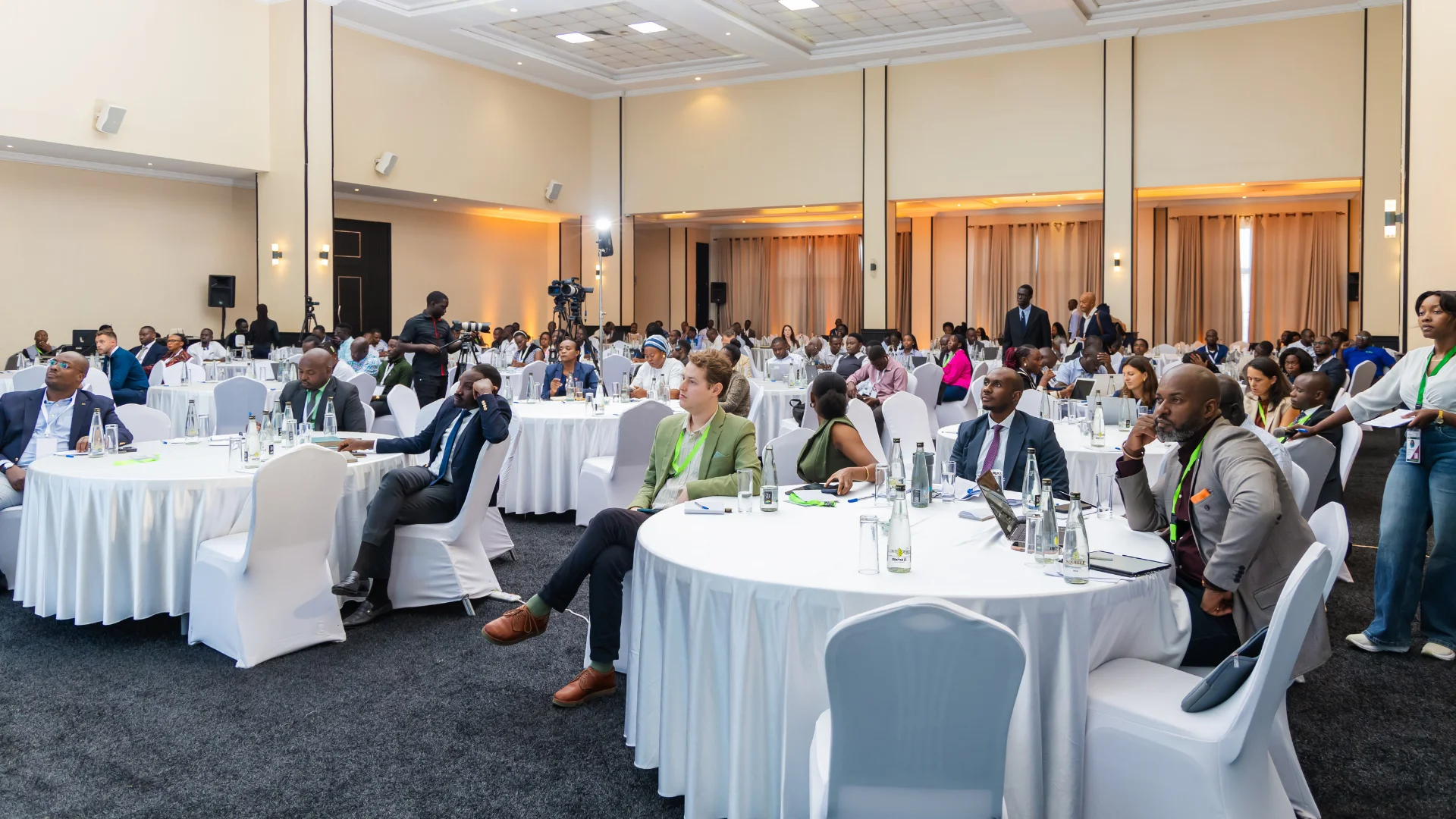
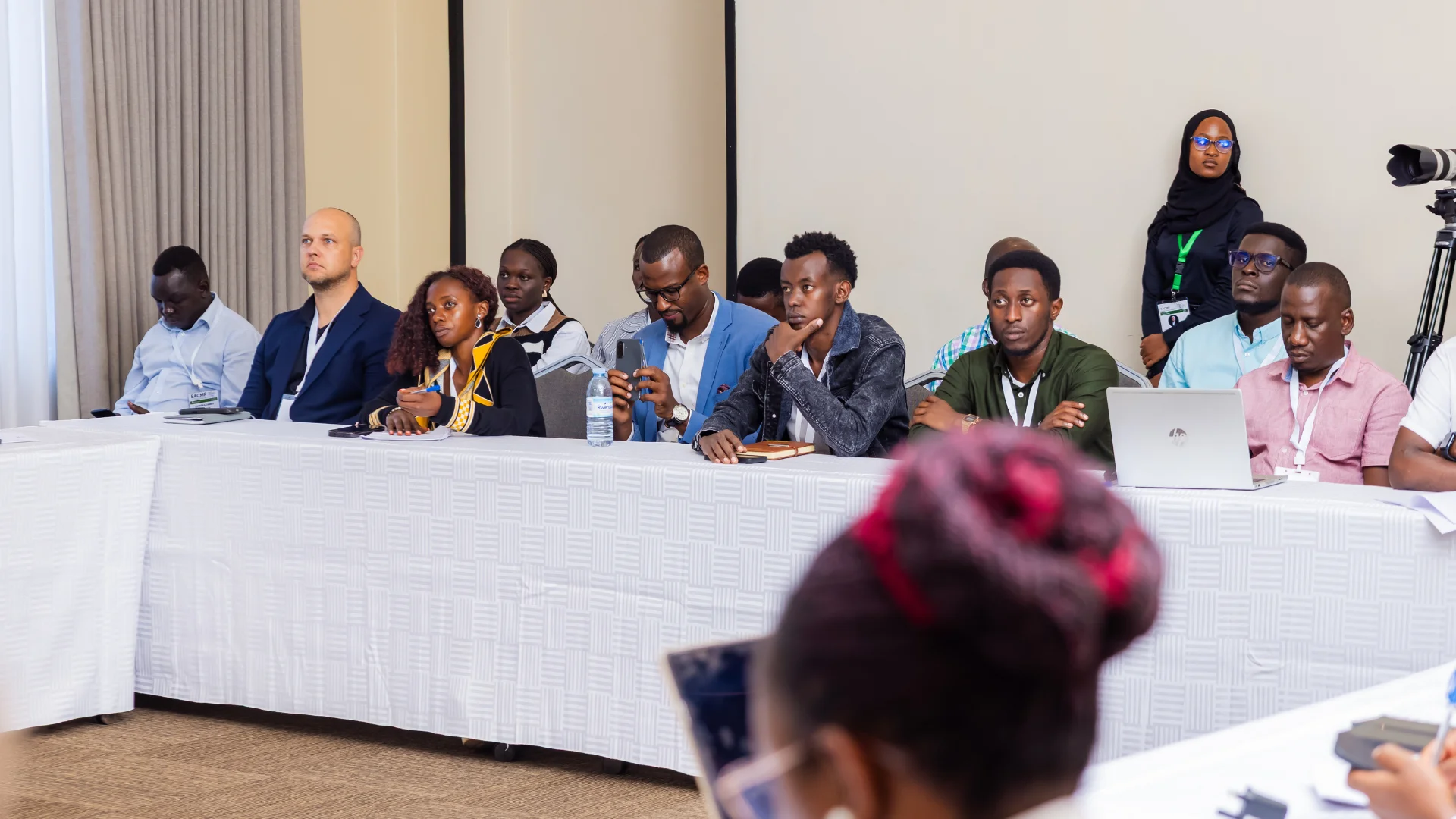
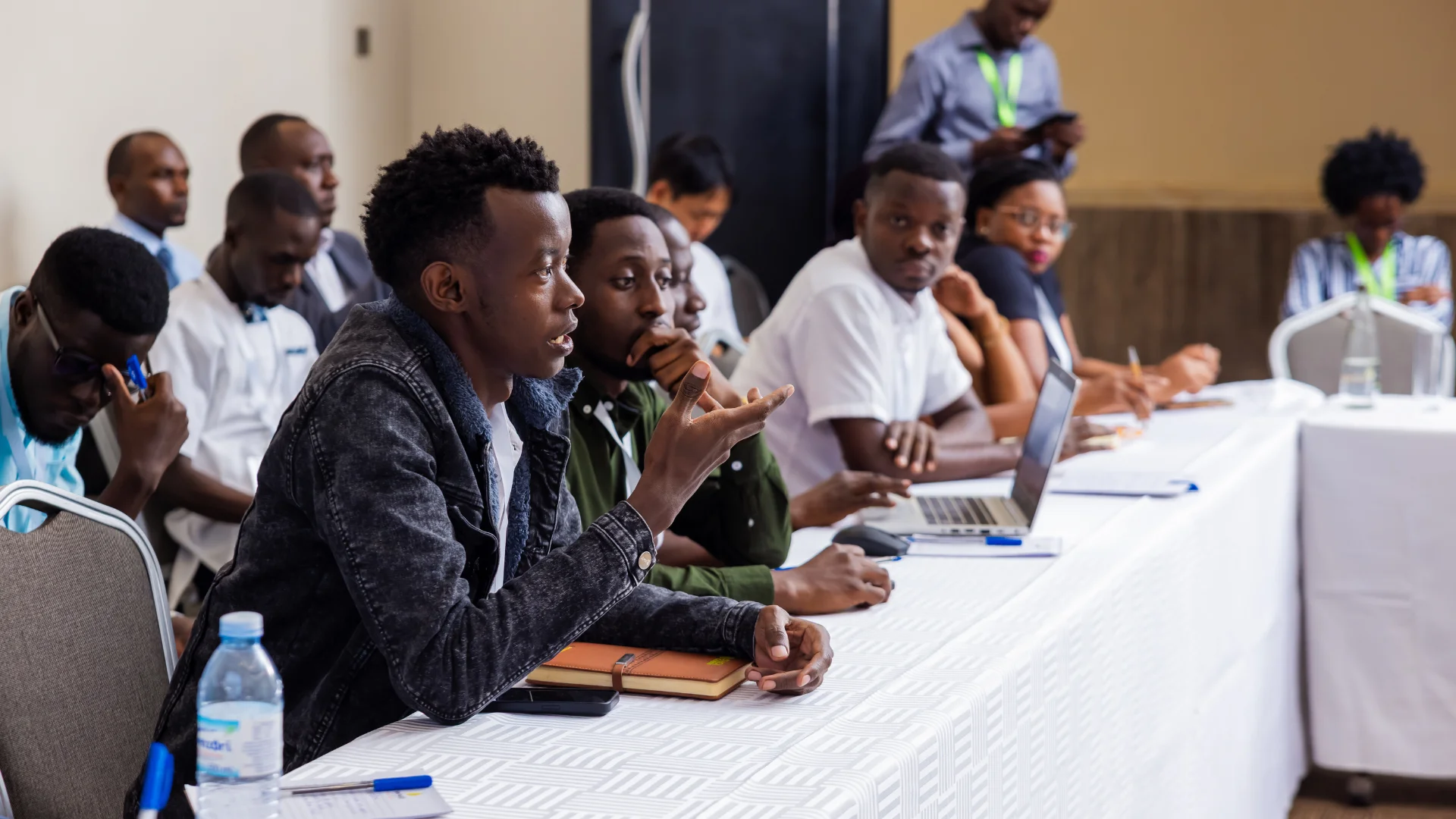
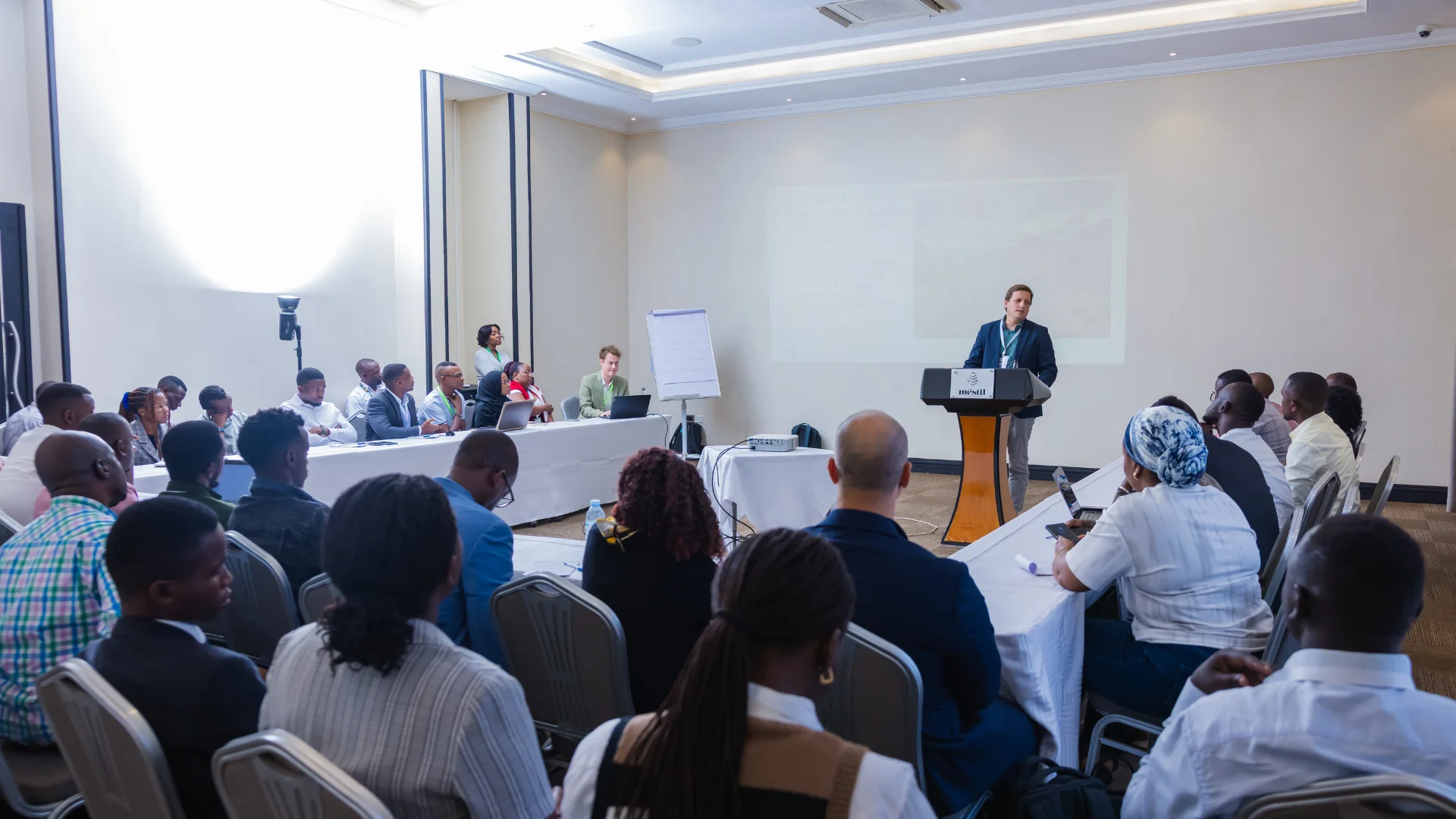
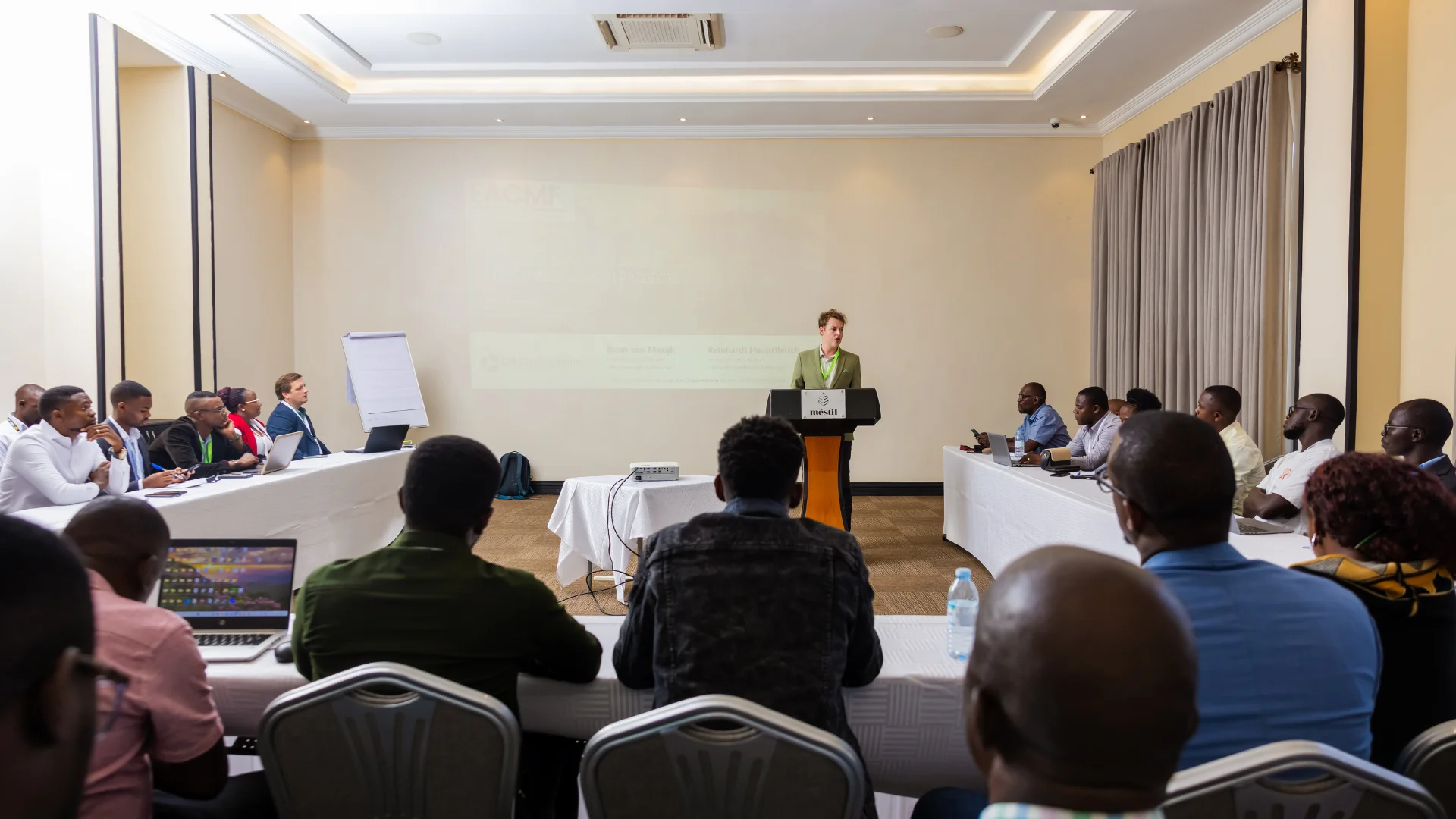
The mitigation of climate change — through carbon projects — is crucial for less developed countries (LDCs) which have often contributed fewer emissions overall than more developed countries, but often bear disproportionately higher negative impacts of climate change. In East Africa — a predominantly arid to semi-arid, water insecure region where conflict often exacerbates climate challenges — the East Africa Carbon Markets Forum (EACMF) brings together key carbon market stakeholders to stimulate the development of projects in the region. C4 EcoSolutions — represented by Reinhardt Hauptfleisch and Ruan van Mazijk — had the prestigious opportunity to attend the EACMF 2026, held in Kampala, Uganda between 3 and 4 September.
The need for project preparation financing
The East African carbon market has progressed considerably in recent years, with increasing demand for carbon credits alongside more established regulatory frameworks, particularly in Uganda. However, access to carbon project preparation finance remains a major barrier to project development. While previous constraints were in low market demand and the lack of project concepts, the current challenge is securing sufficient capital for preparation, registration and initial implementation of projects. Limited technical capacity further constrains investment, highlighting the need for more technical assistance.
The ‘missing first mile’
Considerable funding, government attention and technical resources have been directed towards the ‘last mile’ of carbon projects: developing the regulatory and institutional frameworks required to support carbon markets, including, inter alia, registries, legislation, authorisation procedures and governance structures. However, comparatively limited attention has been given to the early stages of project development. This ‘first mile’ includes establishing relationships with farmers and landowners, developing traceability systems, collecting baseline data and undertaking initial project preparation.
During the forum, WDT Hub highlighted this imbalance, demonstrating how its network uses QR codes to track individual trees as an example of practical traceability measures. Several speakers identified technical capacity building and dedicated project preparation facilities as priorities for addressing this gap and enabling more carbon projects to progress towards implementation and investment readiness.
Strengthening technical capacity
While interest in carbon projects has increased in East Africa, many project development stakeholders lack the technical expertise and financial resources needed to advance projects towards implementation. Discussions highlighted demand for specialised support in financial modelling, carbon credit pricing, methodology selection, biodiversity credit stacking and verification processes. Capacity-building initiatives, technical advisory services and dedicated project preparation facilities could therefore play an important role in converting existing project concepts into bankable investments.
Uganda’s commitment to carbon market development
Uganda demonstrated strong political and institutional commitment to developing its carbon market, with government representatives at the EACMF emphasising the importance of aligning carbon finance with national development priorities. Government stakeholders want to ensure that carbon projects generate tangible benefits for Ugandan communities while contributing to investment in the country. The importance of equitable benefit-sharing arrangements was highlighted, particularly for projects that depend on the sustained participation of farmers and local communities.
Uganda’s ongoing development of its carbon market framework and third Nationally Determined Contribution (NDC 3.0) — expected to be published in late 2026 — reflects its ambition to attract international climate finance while maintaining national oversight of internationally transferred mitigation outcomes (ITMOs) under Article 6 of the Paris Agreement.
Advancing low-carbon development pathways
Uganda’s electricity supply comes from predominantly renewable energy sources — according to International Energy Agency, 92% of the country’s generating capacity is renewable. This presents a different mitigation context from countries with more carbon-intensive power sectors. Its priorities therefore extend beyond ‘clean’ electricity generation towards supporting economic growth that avoids increases in greenhouse gas emissions. Forum discussions highlighted opportunities in nature-based solutions (NbS), forest conservation and restoration, clean cooking, sustainable transport and electric mobility. Reforestation and cleaner cooking fuel alternatives remain important solutions, alongside investments in cleaner industrial processes.
Addressing the financing gap through partnerships
Carbon projects face particular financing challenges due to limited collateral, market volatility and uncertainties surrounding future credit issuance and pricing. Advance offtake agreements were identified as a promising mechanism for unlocking pre-issuance finance, as commitments from prospective credit buyers can provide investors with greater confidence in a project’s commercial viability. Strengthening relationships between project developers, carbon standards, investors, financial institutions, and increasing the use of offtake agreements — a contractual arrangement between a carbon project developer and a buyer or ‘offtaker’, detailing the volume of carbon credits the buyer agrees to purchase over a set period and the terms of the transaction — could help reduce perceived investment risks and improve access to capital. However, developers must also ensure that projects are sufficiently prepared and financially viable before approaching potential investors.
The misunderstood relationship between adaptation and carbon finance
Climate adaptation received comparatively limited attention during the forum. Carbon markets may provide supplementary financing for adaptation interventions that deliver measurable emission reductions or removals — particularly through NbS and sustainable agriculture — but the two streams of climate finance are not fully aligned. This is primarily because mitigation offers a business model, where investors can expect returns on their investments, while adaptation does not allow for this, and therefore mainly attracts grant funding. A recurring issue was also noted in the forum. Stakeholders have seen many adaptation projects that expect carbon issuance in short time frames, signifying a misunderstanding of how the two streams align. Adaptation and mitigation do overlap, but in a more nuanced way than is sometimes perceived.
Conclusion
The EACMF 2026 reaffirmed that advancing carbon markets in East Africa requires more than the regulatory frameworks already established. Greater attention must be given to the ‘first mile’ to translate existing opportunities into viable, investable projects. For C4 EcoSolutions, the discussions at the forum reinforced considerations already central to our approach to carbon project development, particularly the importance of robust project planning and meaningful stakeholder engagement. The forum also highlighted opportunities for C4 to continue supporting the technical assessments and planning that must precede project development and strengthening partnerships that facilitate implementation.
/