
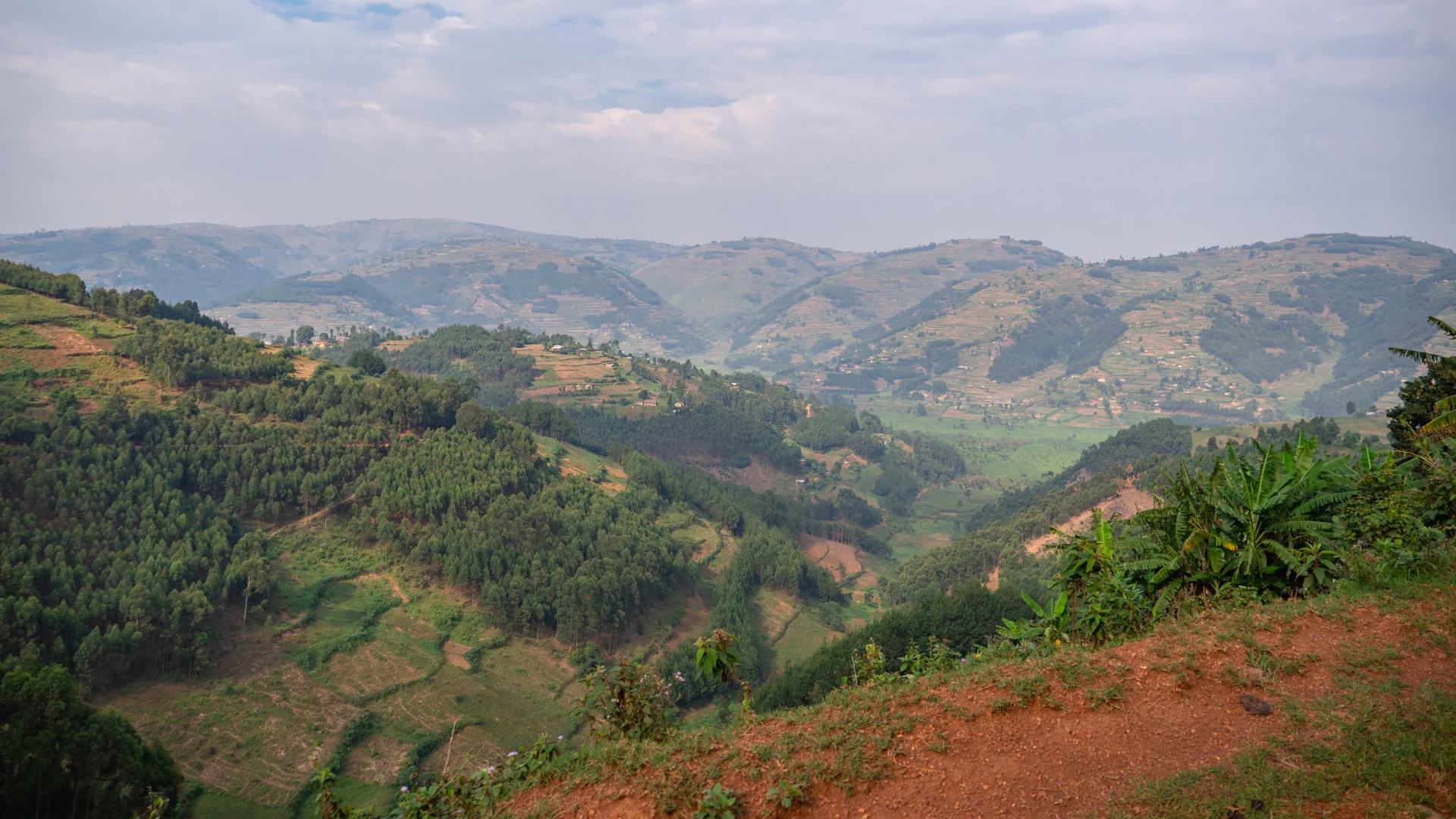
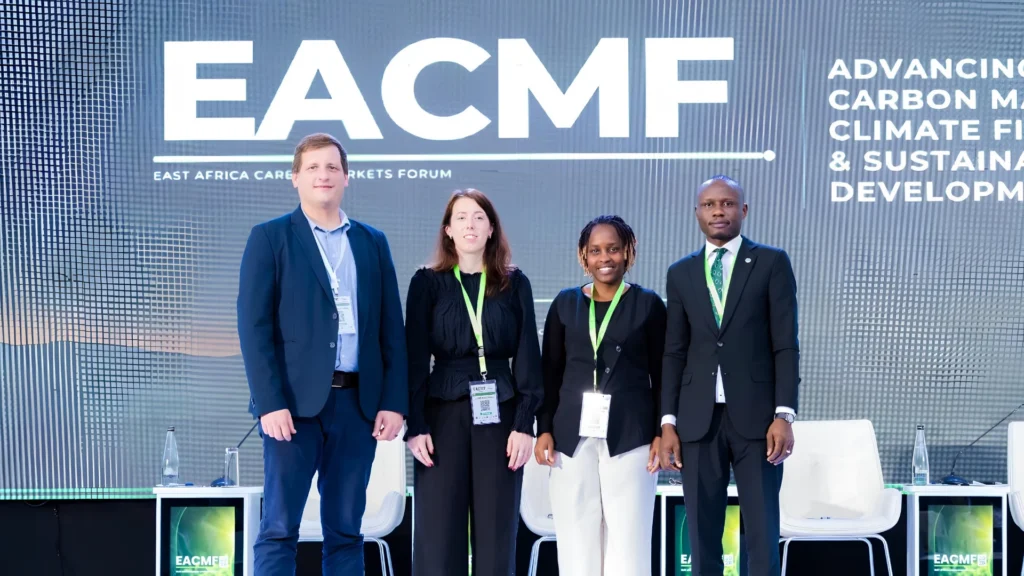
C4 recently attended the East Africa Carbon Market Forum (EACMF) held in Uganda in September 2026. In addition to presenting its ‘Creating Bankable and Investable Carbon Projects’ workshop, C4’s Reinhardt Hauptfleisch and Ruan van Mazijk attended the forum’s various presentations and panel discussions. Among other things, the two were particularly interested in the data on Uganda’s electricity sector, with its remarkably low fossil fuel use. With little of the sector to decarbonise, the country presents a unique context for carbon project development, as well an example of a country industrialising without carbonising.
Read the team’s key takeaways from the EACMF 2026, including the ‘missing first mile’ in carbon project development.
The Energy Policy for Uganda 2023’s stated overall goal is to “Meet the Energy Needs of Uganda’s Population for Social Economic Transformation in an Environmentally Sustainable Manner”. While widespread provision of affordable energy is the objective and mandate of most governments, renewable energy contributes more to Uganda’s electricity generation than would typically be expected for developing nation. The country offers an impressive example for industrialisation without heavy reliance on fossil fuels.
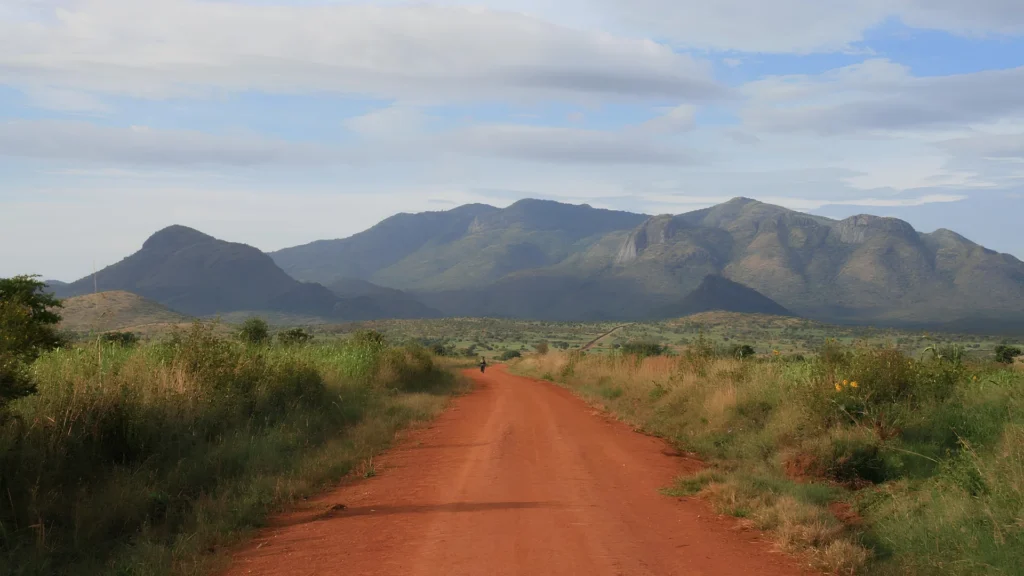
According to an International Energy Agency (IEA) report, 92% of Uganda’s electricity was generated from hydropower, followed by biomass (including bagasse-fired cogeneration; 7%), solar energy (2%) and oil-fired thermal power (1%). In order to reach Uganda’s energy policy’s goal, there is still much progress to be made in terms of coverage. The policy estimated that 57% of households had access to at least one source of electricity in 2022, while the Uganda Malaria Indicator Survey 2024–25 estimated that only 43% of households had access to electricity (61% in urban areas and 31% in rural areas).
Uganda’s predominantly renewable electricity generation contrasts with that of South Africa, an economically successful African country where fossil fuels are used widely in energy generation. In 2021, coal accounted for 86.1% of South Africa’s electricity generation, while renewable energy sources and nuclear power contributed only 6.1% and 4.6%, respectively, according to Statistics South Africa. Even Zambia, which has a comparatively high proportion of hydropower electricity generation (88%) to Uganda, used coal to generate 11% of its electricity in 2022.
Uganda’s energy policy aims to build on the country’s existing renewable electricity generation capacity while expanding access to modern energy services. By 2040, the government aims to achieve universal household access to clean and modern energy, increase grid electricity access to 80% and ensure that 50% of the population uses clean cooking fuels and technologies. To achieve these objectives, the policy prioritises investment in electricity generation, transmission and distribution infrastructure, including the expansion of rural electrification through grid extensions, mini-grids and standalone solar systems. It also promotes energy efficiency and the diversification of electricity generation through solar, geothermal, wind and nuclear energy.
Despite Uganda’s predominantly renewable electricity generation, its wider energy sector is not without environmental challenges. According to the IEA, biomass accounted for approximately 87% of Uganda’s final energy consumption in 2021, primarily through firewood and charcoal used for household cooking. Petroleum products, mainly used for transportation, accounted for a further 11%, while electricity represented only 2% of the energy sector. The widespread reliance on traditional biomass contributes to deforestation and indoor air pollution, particularly where inefficient cooking technologies are used.

This is reflected in the types of carbon projects already registered in Uganda. Projects registered under carbon standards include improved cookstove programmes, safe drinking water projects, household biogas systems, solar lighting and afforestation and reforestation initiatives.
These existing projects suggest that carbon finance will play a role in addressing Uganda’s climate challenges. Opportunities include expanding access to improved cookstoves, biogas and electric cooking technologies to reduce dependence on traditional biomass, as well as supporting agroforestry, reforestation and sustainable biomass management. The latter interventions could also strengthen resilience to drought and increasingly variable rainfall in the country by reducing the unsustainable harvesting of timber from forests and woodlands, improving soil moisture retention and limiting land degradation through increased erosion. Off-grid renewable energy projects could also contribute where they can demonstrate the displacement of fossil fuels, such as kerosene and diesel. Additional benefits of such projects would be improved household health and increased access to affordable energy.
Uganda’s energy sector therefore provides an interesting example of the opportunities and challenges associated with low-carbon development. With the current carbon focus on reduced burning of biomass for household energy generation, there are many opportunities for carbon project investment. Having extensive experience in clean cookstoves and a growing track record in the green energy transition space, C4 looks forward to opportunities arising from Uganda’s unique carbon investment landscape.