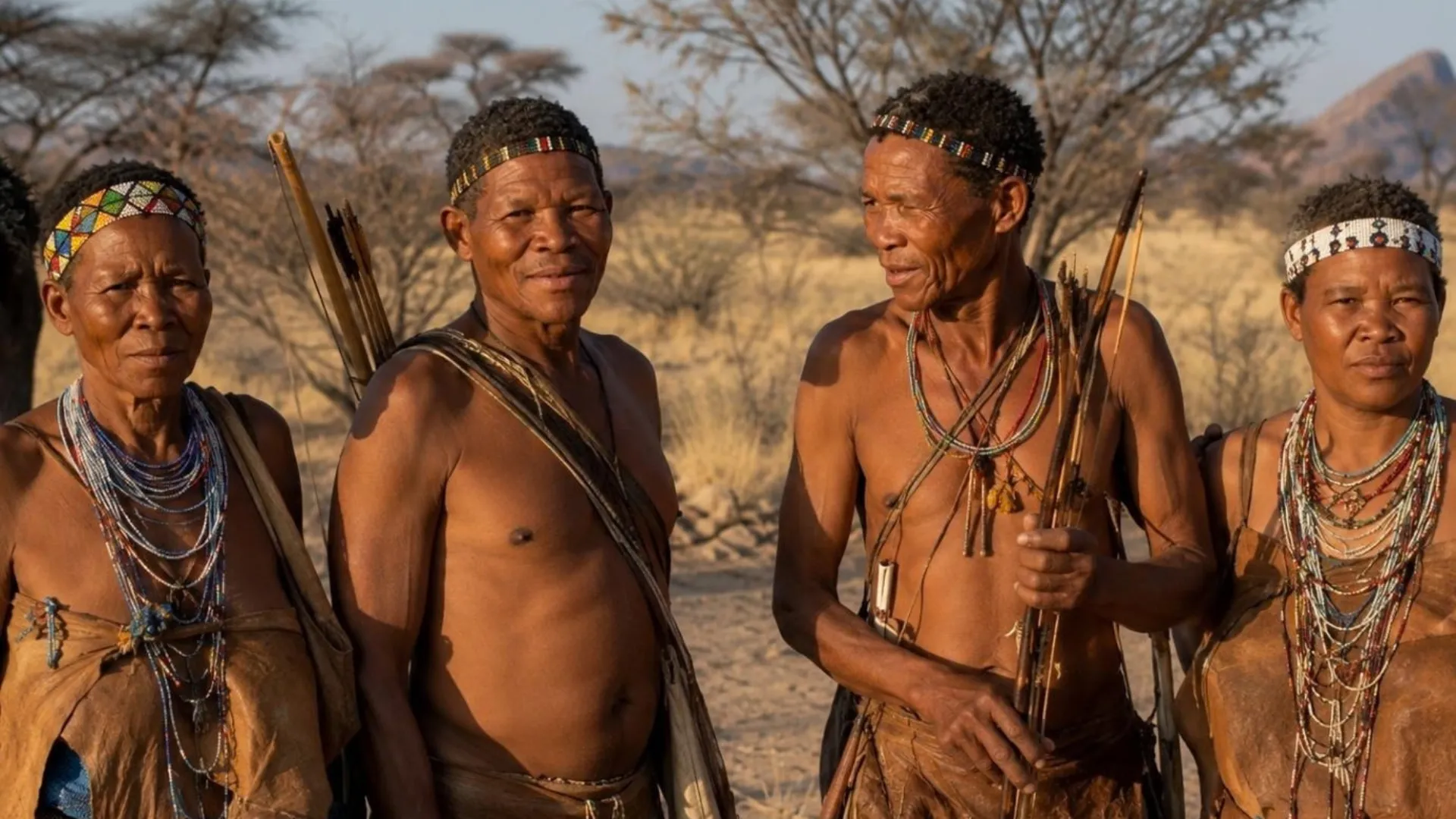
Globally, Indigenous Peoples own, occupy or use some 22% of land area. Estimates vary, with UNESCO currently estimating 350 to 500 million people, while an older estimate from a researcher at the Centre for World Indigenous Studies estimates the global Indigenous Peoples population at between 750 million and 1 billion. As such, Indigenous Peoples represent the greater part of the world’s cultural diversity. These groups speak the majority of the world’s estimated ~7,000 languages and represent ~5,000 distinct cultures. Despite their diversity and distinctness, Indigenous Peoples share a common challenge: the protection of their rights as distinct peoples, particularly when living in countries with other cultural groups in competition for land and resources. With climate change constraining the availability of resources — notably arable land, food and safe drinking water — and increasing the severity of disruptive climate hazards, Indigenous Peoples are particularly vulnerable.
- UNESCO. N.d. International Day of the World’s Indigenous Peoples. Available at: https://www.unesco.org/en/days/worlds-indigenous-peoples?hub=180536
- Hirch M. 2007. What the UN Declaration Means. Available at: https://web.archive.org/web/20250428024901/https://www.cwis.org/2007/09/what-the-un-declaration-means/
- UNESCO. N.d. International Day of the World’s Indigenous Peoples. Available at: https://www.unesco.org/en/days/worlds-indigenous-peoples?hub=180536
In order to raise awareness of the challenges faced by Indigenous Peoples, UN General Assembly adopted the International Day of the World’s Indigenous Peoples in December 1994, observed annually on 9 August since. UNESCO actively supports the observance through its work on education, culture, science, communication and the protection of Indigenous knowledge and languages. The organisation also runs several programmes aimed at strengthening the recognition, protection and transmission of Indigenous knowledge. Its Local and Indigenous Knowledge Systems (LINKS) programme, established in 2002, promotes dialogue between Indigenous knowledge holders, scientists and policymakers and supports the inclusion of Indigenous knowledge in biodiversity and climate-related assessments and decision-making.
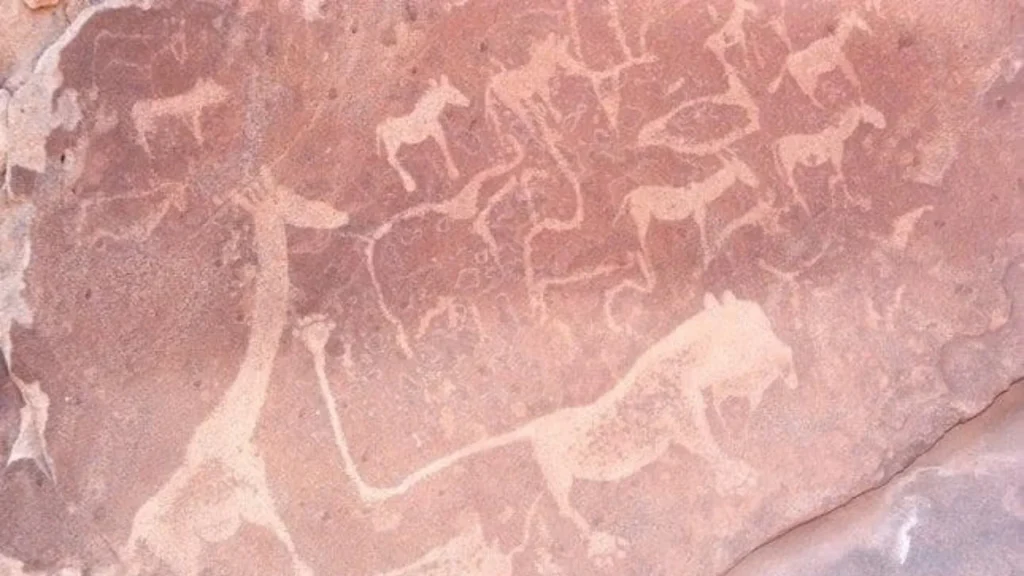
C4 EcoSolutions, through its work in climate change adaptation and mitigation, systematically incorporates considerations relating to Indigenous Peoples into project design and implementation. This includes identifying potential impacts on Indigenous Peoples and their territories, respecting the principle of free, prior and informed consent where applicable, and ensuring that projects align with relevant environmental and social safeguards. These considerations are reflected in instruments such as Environmental and Social Management Plans, stakeholder engagement plans, grievance redress mechanisms and culturally appropriate consultation processes. Through these measures, C4 seeks to ensure that: i) Indigenous Peoples can participate meaningfully in decision-making; ii) their knowledge and rights are recognised; and iii) project benefits are accessible and equitably shared.
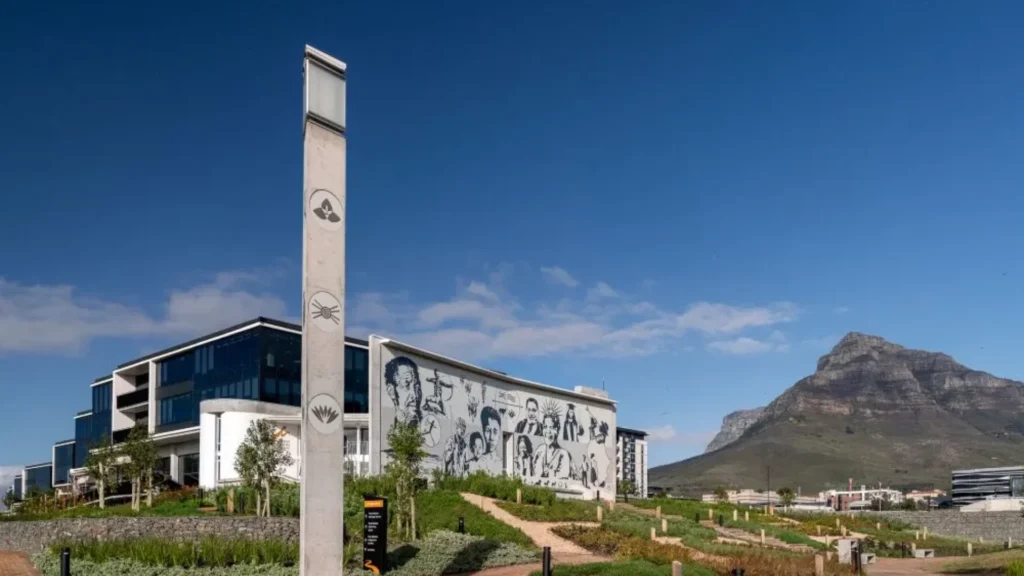
In addition, to C4’s consideration of Indigenous Peoples in its work, the firm is proud to have its offices located near the First Nations Heritage Centre in Observatory, Cape Town. This important cultural landmark preserves and celebrates the histories and significance of the Khoi and San peoples. Owned and managed by the Western Cape First Nations Collective, the Centre includes an exhibition, promoting greater public understanding of South Africa’s Indigenous Peoples.