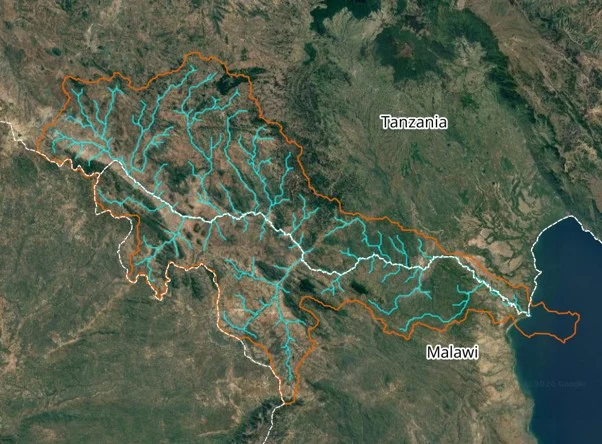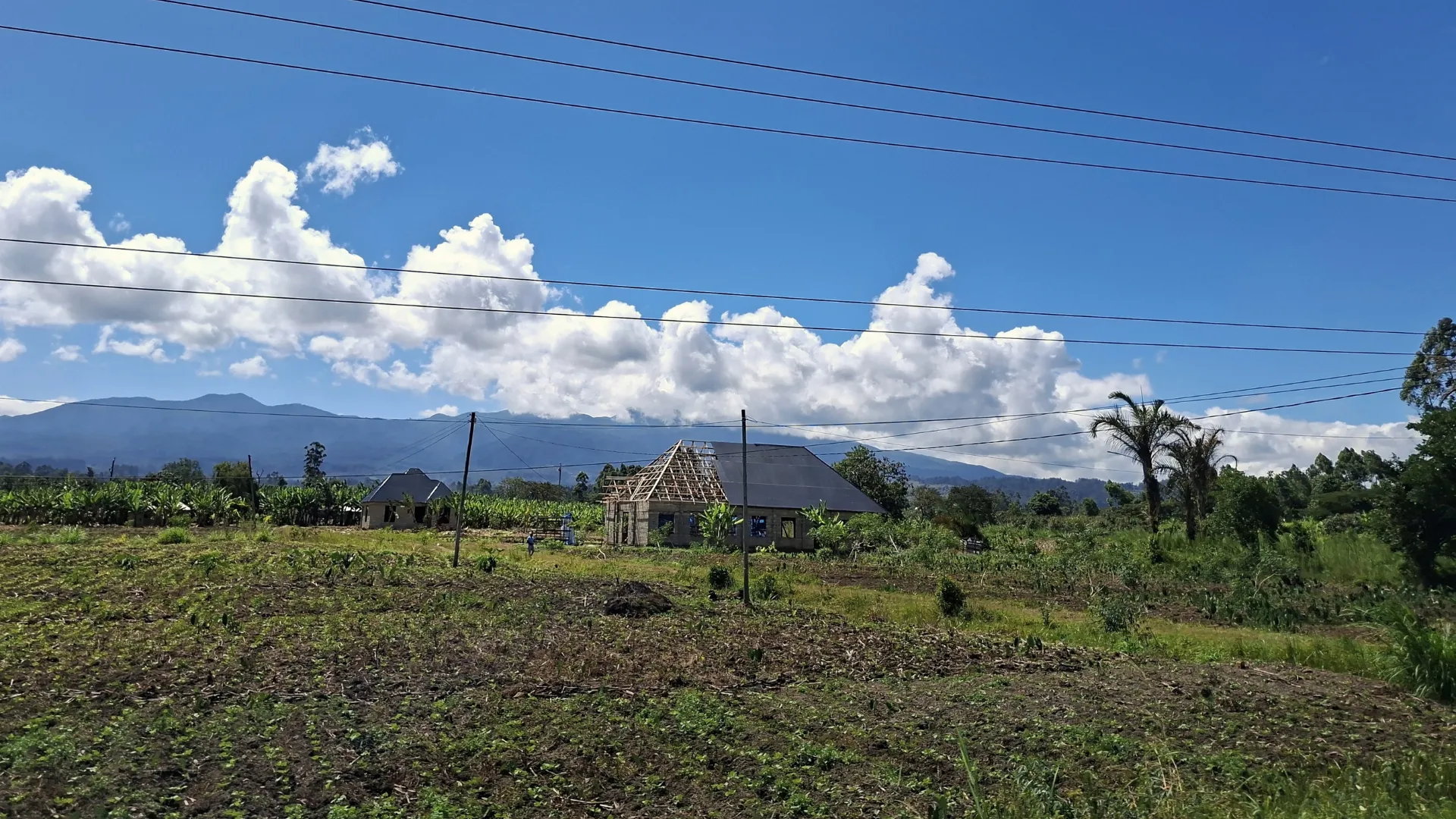
The Songwe River Basin (SRB) is a crucial watershed in East Africa, providing water resources and arable land that sustain communities whose livelihoods depend primarily on farming. Communities in the SRB are increasingly vulnerable to climate hazards, including floods and dry spells. In order to develop a strong project that can improve climate resilience and adaptative capacity on, local context and knowledge is crucial.
The ‘Promoting Resilience through Adaptation to Climate Change in the Songwe River Basin’ (PRACCS) project is set in the SRB, a transboundary basin located on the terrestrial border between Malawi and Tanzania. Still in its early stages of development, the project aims to increase the resilience of communities through, inter alia, enhanced flood early warning systems, improved water, sanitation and hygiene (WASH) infrastructure, and increased institutional capacity. In order to further develop the details of the project design, C4 took part in a mission to the SRB in collaboration with the United Nations Environment Programme (UNEP) and the Joint Songwe River Basin Commission (SONGWECOM), a key local partner in the project.
The mission included engagement with three groups: i) national stakeholders; ii) district governments; and iii) local communities. C4 engaged with national government and other key stakeholders at the projects Inception Workshop — held in SONGWECOM’s offices in Kyela, Tanzania — to present the preliminary project design and collect key insights. UNEP, SONGWECOM and the C4 delegation then visited a sample subset of the target districts, engaging with district governments and community representatives from each district. These engagements involved feedback to questions from the C4 team, including separate focus group discussions with men and women during community engagements.
The feedback gathered on the mission will be critical for further developing the project’s design, as well as ensuring that the project is gender-responsive and maintains context-specific environmental and social safeguards. By placing local knowledge and ownership at the centre of project design, C4 aims to support adaptation measures that are not only technically sound, but locally relevant, equitable and sustainable across the SRB.