
There is a version of stakeholder engagement that most climate projects do well. They map the relevant institutions. They hold the consultation meetings. They circulate the updates. They get the sign-offs. And then they wonder why, at critical moments, the project stalls — why the government ministry is not as responsive as expected, why the community is not as invested as it should be, why the coordination that looked good on paper is not translating into action on the ground.
I have seen that pattern more than once. I have also seen what it looks like when it is done differently. Over five years delivering climate projects in Mali, I worked with a stakeholder network that spanned the national meteorological service, multiple government ministries, the military, energy infrastructure operators, conservation NGOs and rural farming communities. What made it work was not good communication. It was genuine participation — giving every institution and every community a real part to play in delivery.
That distinction — between consultation and integration — is the difference between projects that sustain and projects that do not.
The Problem with Consultation
Consultation, as it is typically practised, is a one-way exercise. The project team arrives with a design. Stakeholders are informed of it, asked for their input, and incorporated into a process that has already been largely determined. They receive updates. They attend briefings. They may sign letters of support. But they are passengers, not participants.
In simple environments, this can be sufficient. In complex ones — where operating conditions are unpredictable, where institutional relationships are critical to continued access, where community buy-in is the difference between a programme being welcomed and being resisted — it is not. Stakeholders who have not been genuinely involved in building something have no real stake in its success. When pressure comes, their support is shallow.
What Real Integration Looked Like in Mali
In Mali, I designed the stakeholder approach around a single principle: every institution that needed to be part of delivery would be given a genuine role in it, not just kept informed of it.
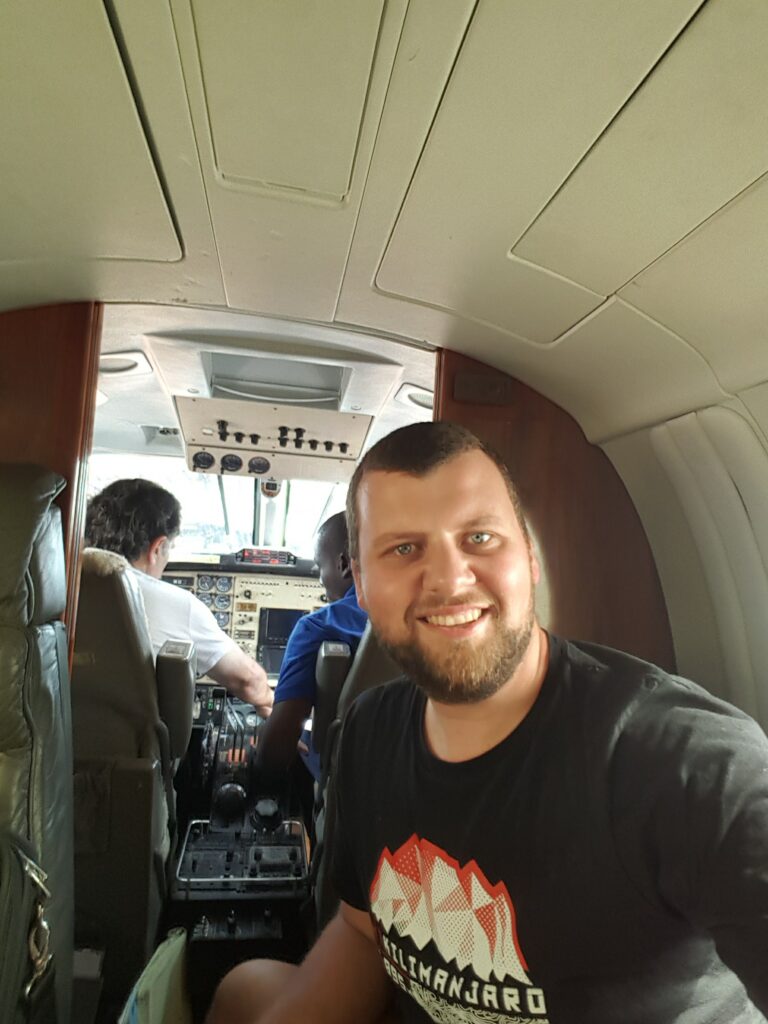
Mali-Météo, the national meteorological service, did not simply receive post-operation reports. A representative flew with us during cloud seeding operations, taking in-flight measurements alongside our team. They were contributors to the science, not recipients of our findings. That involvement created a level of institutional ownership that no briefing document could have produced.
The Ministry of Defence was not a stakeholder we managed from a distance. It was a continuous operational partner. With active conflict ongoing north of Mopti, the Ministry provided real-time guidance on which areas were accessible, and tracked our aircraft movements to prevent any misidentification in a conflict environment. Their involvement was not ceremonial — it was operationally essential. And because they were genuinely inside the programme, the coordination worked. The Ministry of Agriculture was involved in defining what success looked like — not informed of our definitions after the fact. The energy stakeholders linked to Mali’s hydropower infrastructure understood the connection between our rainfall restoration work and the water levels their dams depended on. They were not passive beneficiaries. They were invested parties who understood why the programme mattered and what it needed from them.

Communities Are Stakeholders Too
It would be easy, in a programme this technically complex, to treat farming communities primarily as beneficiaries — people whose lives we were trying to improve, but who were not active contributors to delivery. That would have been a mistake.
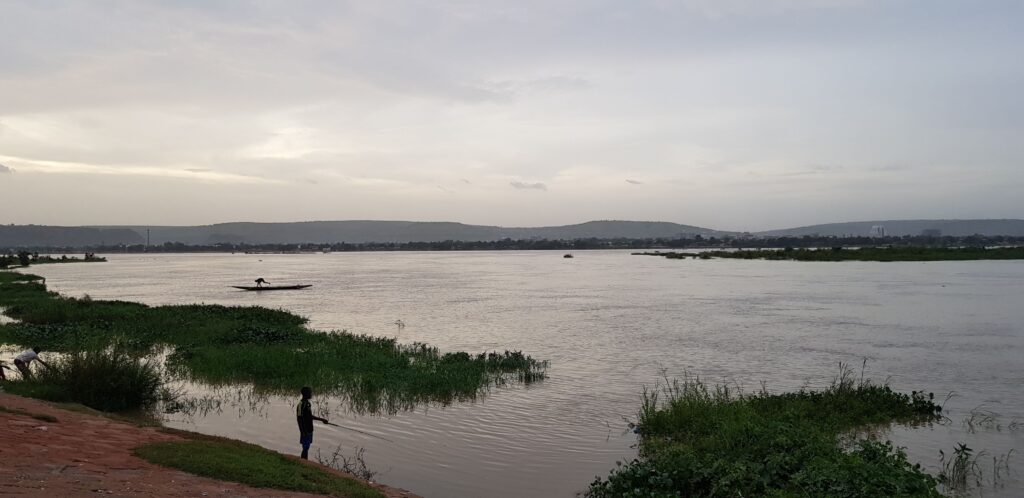
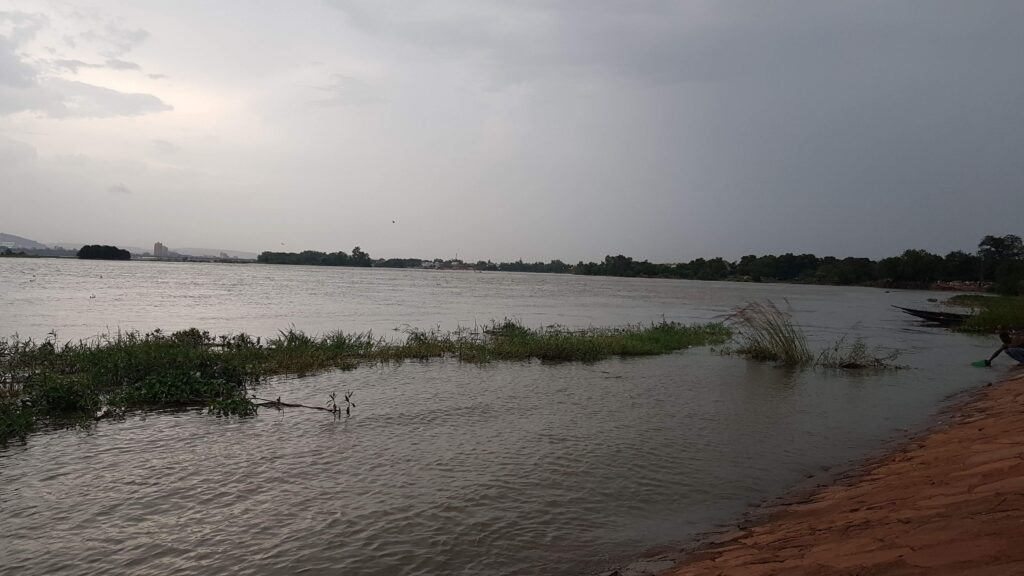
Our field teams worked directly with farmers: advising on how to make better use of available resources, improving planting timing, strengthening local production. But more importantly, we listened. Communities across the Sahel, despite the geopolitical complexity and conflict that surrounded them, had consistent and clearly articulated goals. They wanted to feed their families. They wanted to feel safe. They wanted their children to be educated. Interventions designed around those goals — rather than around what we assumed they needed — were the ones that communities engaged with, supported, and sustained.
Community relationships also had practical operational value. In areas where infrastructure was limited and conditions were unpredictable, having trusted local contacts waiting when our teams arrived in the field was not a nice-to-have. It was the difference between being able to operate and not.
Design From the Stakeholder Map, Not the Technical Spec
The most important structural lesson from Mali is about sequencing. Most projects are designed technically first and then socialised with stakeholders. The logic is understandable — you need a defined proposal before you can consult on it. But in complex environments, that sequence creates a fundamental problem: by the time stakeholders are engaged, the architecture is already fixed, and their involvement is bounded by what has already been decided.
A better approach is to begin with stakeholder mapping — to understand, before the technical design is finalised, what each institution needs from the project, what they can contribute to it, and how their involvement needs to be structured to make that contribution real. Technical design that is built around genuine stakeholder roles from the outset is far more resilient than technical design that has been retrospectively socialised.
This requires patience and discipline at the project design stage. It also requires an honest reckoning with the fact that integration takes more from the project team than consultation does. It means sharing ownership. It means being responsive to what stakeholders say, not just recording it. It means designing flexibility into the programme so that it can adapt as those relationships evolve.
Why This Matters Beyond Mali
The dynamics I encountered in Mali are not unique to Mali. Across West and Central Africa, climate projects are being designed and delivered in environments where institutional relationships are complex, where community trust is hard-won, and where the conditions of delivery are rarely what was assumed at the design stage. In all of those contexts, the same principle applies: stakeholders who have a genuine role in delivery are invested in its success. Those who are consulted and kept informed are not.
At C4 EcoSolutions, this is not a principle we arrived at theoretically. It is something we learned by doing — by spending years working inside these environments, building the relationships and the institutional knowledge that genuine integration depends on. It is part of what it means to be an African company delivering climate work in Africa: we are not designing from the outside. We are working with the people and institutions who have to live with the outcomes.
That is the foundation on which durable climate impact is built.