
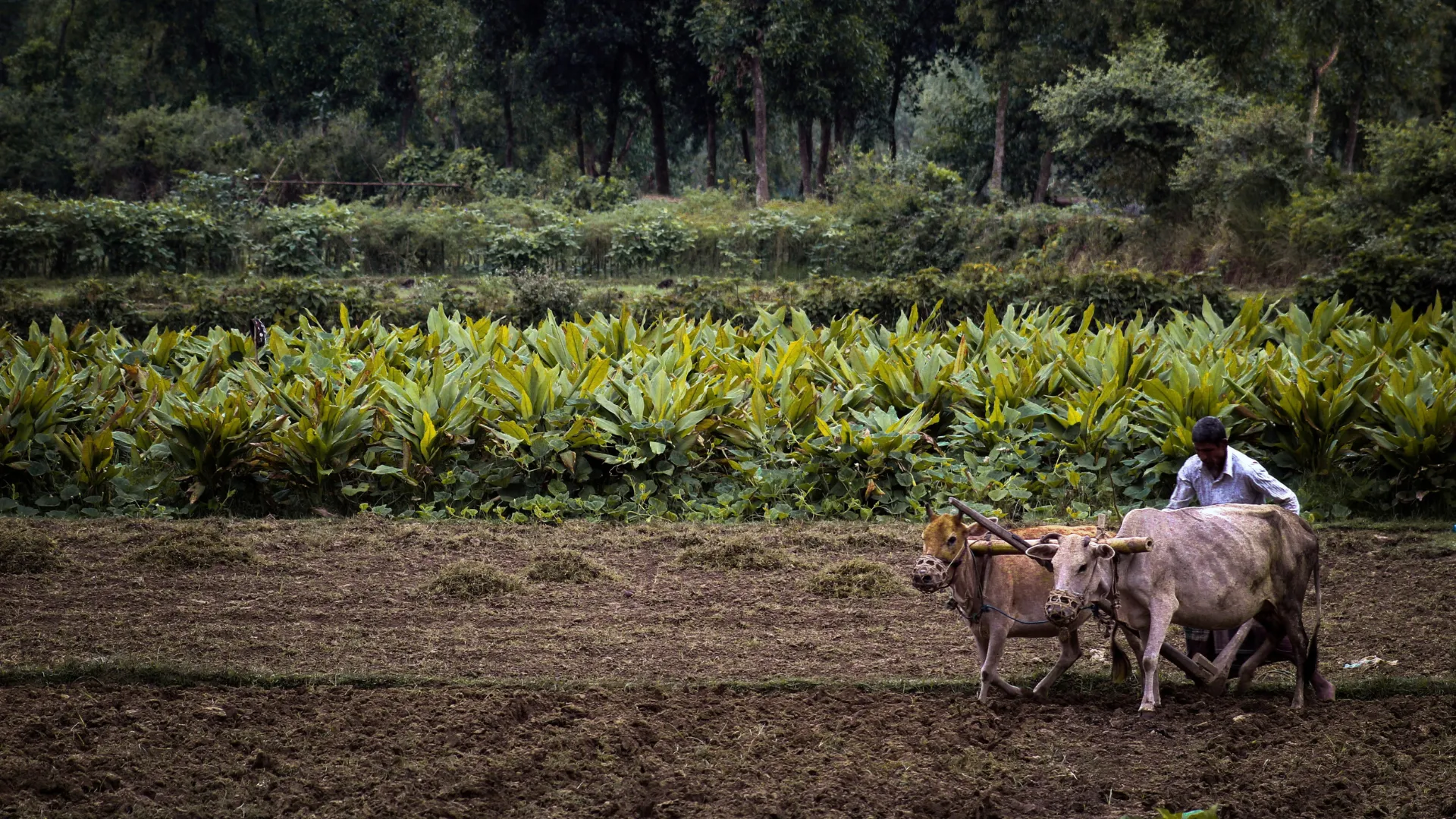
Bangladesh exhibits considerable exposure to climate hazards including flooding, salinisation and erratic rainfall patterns that directly threaten agricultural productivity and ecosystem services. Rural communities depend on natural resources for food production and income generation, yet degraded wetlands, forests and coastal areas reduce their capacity to buffer climate impacts. Women-led agricultural enterprises face compounded vulnerabilities due to limited access to climate-resilient technologies and value chain integration.
In response to this, C4 EcoSolutions developed a Global Environment Facility (GEF-8) project concept for the UN Environment Programme (UNEP) to enhance the resilience of food systems, water resources and ecosystems in Bangladesh’s climate-vulnerable rural areas. The project integrates ecosystem-based adaptation with sustainable agricultural practices to address climate-related risks to food production, water availability and rural livelihoods and will deliver the following outcomes:
- Build capacity within national and local institutions to integrate climate-resilience measures into land-use and food-system policies.
- Restore degraded wetlands, forests and coastal areas through community-led initiatives that enhance ecosystem services.
- Expand climate-smart agricultural practices and women-led enterprises that improve resource efficiency and household income.
- Establish low-emission value chains that strengthen food system resilience whilst reducing environmental impacts.
- Generate technical data to support replication and inform national adaptation planning processes.
By combining ecosystem restoration with institutional strengthening and community-based natural resource management, the project is expected to improve food and livelihood security for vulnerable households whilst promoting wider adoption of ecosystem-based adaptation within national planning frameworks.