
For C4 EcoSolutions, tangible livelihood benefits for the people connected to a landscape are the primary objective of landscape restoration projects, whilst commercial viability is a foundational condition to attract project investment and enable sustainable implementation. This distinction matters, as a project designed solely around commercial viability risks delivering insufficient benefits to communities living and managing these landscapes. Effective restoration design is grounded in a clear understanding of baseline conditions, degradation status and drivers, recovery trajectories and desired outcomes by project stakeholders. Even where restoration approaches are broadly applicable, the assumptions underpinning activity, site and benefit-mechanism choices need to be tested against local conditions. C4 develops carbon and restoration projects with a focus on upfront community engagement, to ensure that technical design considerations are appropriate for achieving the outcomes desired by local stakeholder communities.
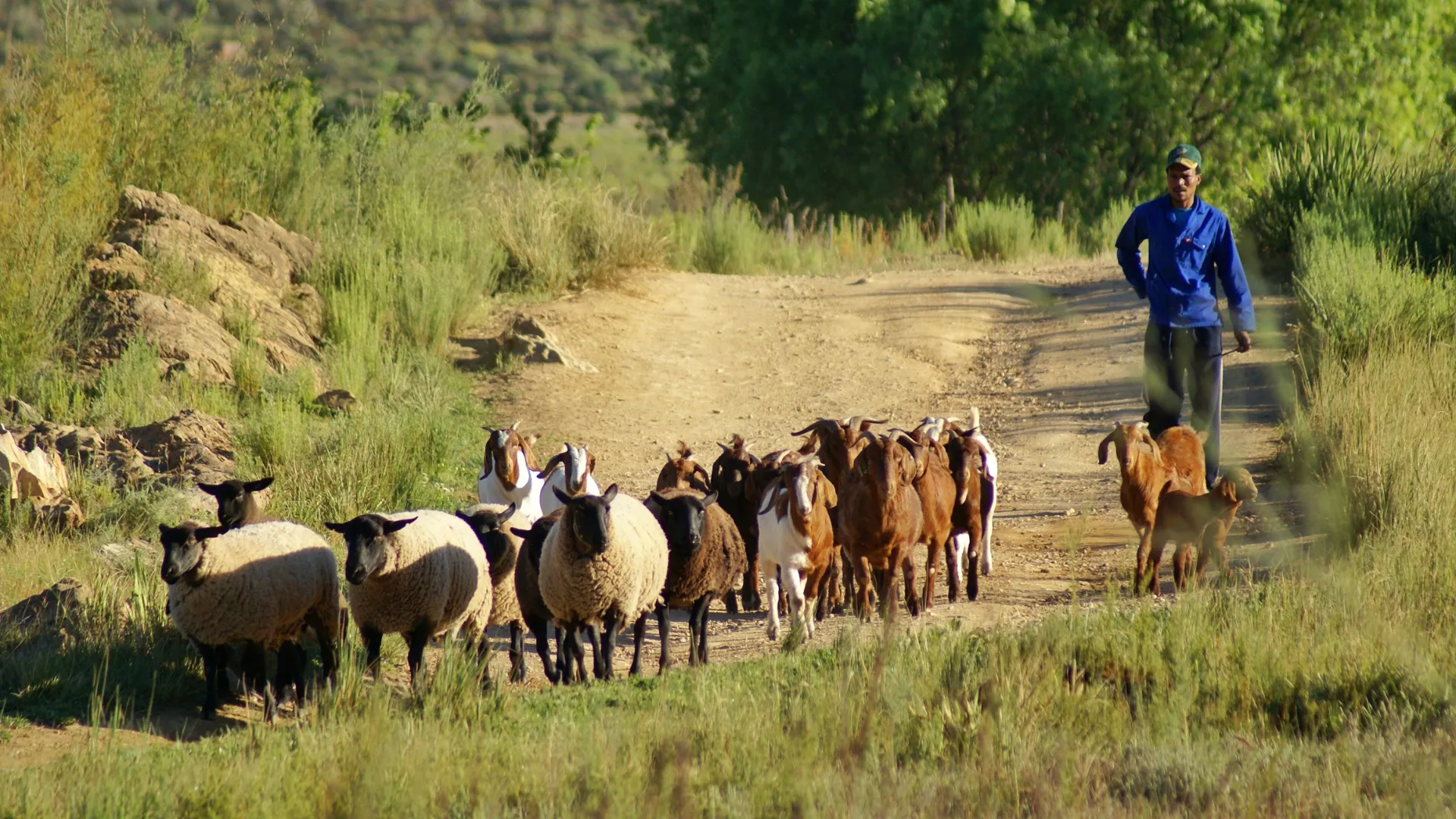
Restoring Landscapes in South Africa (ReLISA) is a five-year ecosystem restoration programme across South Africa’s savanna, grassland and thicket landscapes. In partnership with a consortium of local and international institutions — including UNEP, UNDP, UNESCO, the Endangered Wildlife Trust, Council for Scientific and Industrial Research and Unique Land Use GmbH — C4 is implementing ReLISA to deliver sustainably financed restoration at scale. In the Wild Coast, one of ReLISA’s priority landscapes, early engagement brought two locally important activities into the restoration discussion: ecotourism and livestock keeping, including access to grazing. Neither activity alone would maximise benefit to local communities. That insight broadened the pre-feasibility assessment such that the project team is now examining where these priorities could be compatible, where trade-offs could arise and how different groups could benefit before any restoration model is recommended.
Stakeholder consultations have demonstrated that younger community members showed some level of engagement and interest in the opportunities presented by carbon projects. This challenged the commonly held preconception that younger generations prefer non-traditional livelihoods, whereas landscape management activities appeal exclusively to older, land-owning community members. Instead, the ReLISA project design recognises that limited participation of youth in landscape management activities is frequently caused by insufficient availability of local opportunities rather than by reduced interest. This finding informed a broader definition of the stakeholder groups to be accounted for in project design and benefit-sharing arrangements.
Moreover, preliminary consultations can reveal remarkable detail on local ecological contexts and historical and ongoing land use. For example, in the Waterberg Biosphere Reserve — a priority landscape for ReLISA — consulted community members were able to describe the specific drivers of bush encroachment affecting their land, linking decades of overgrazing and the effects of a changing climate to defined consequences for daily life, including increased travel distances to access natural resources, reduced time available for productive activities, and specific constraints on bringing goods to market. This understanding indicates that community knowledge of landscape conditions can be closely aligned with, and at times anticipate, the findings of technical assessment. Community engagement is conducted alongside biophysical analysis, including soil sampling, vegetation surveys and degradation mapping, as complementary and equally weighted components of landscape assessment. Community accounts assist in the interpretation of biophysical data collected on the ground, while biophysical evidence provides technical substantiation for community accounts of lived experience. Together, the two produce a more reliable characterisation of baseline conditions than either could establish independently.
Consultations also reveal variation in implementation readiness across landscapes. Where governance structures are already well established and community organisation is strong, implementation can proceed within a shorter timeframe; where these foundations remain in development, additional preparatory work is required beforehand. Community engagement therefore informs both the design of an intervention and the sequencing of implementation across a portfolio of landscapes.
Communities are able to achieve substantial and lasting outcomes where a shared goal is supported by the institutional structures required to act on it. This form of community commitment functions as a determining factor in project success, carrying weight comparable to any technical design decision. For this reason, C4 EcoSolutions’ project development process begins with direct engagement with the communities affected by an intervention, prior to the finalisation of technical design.