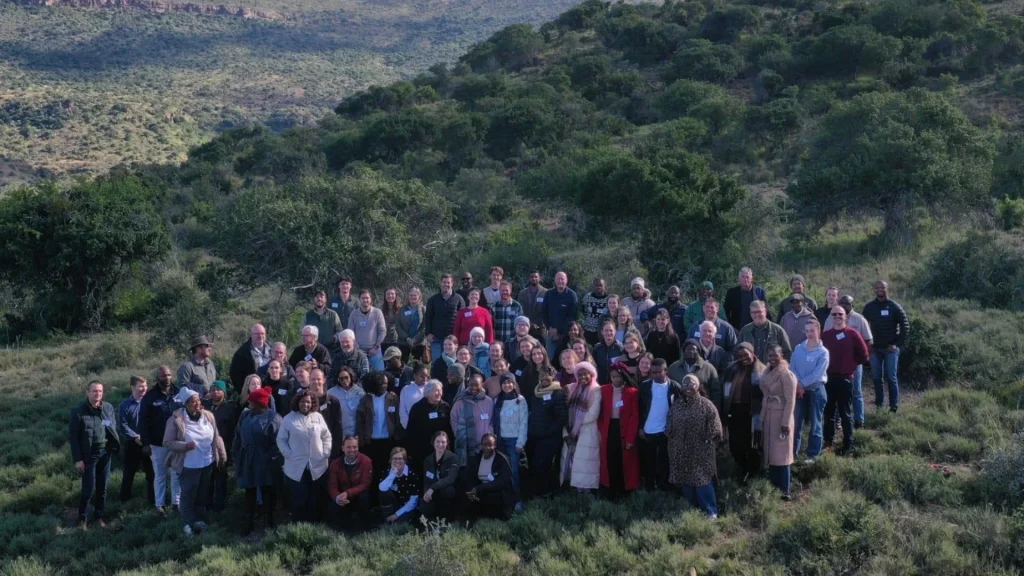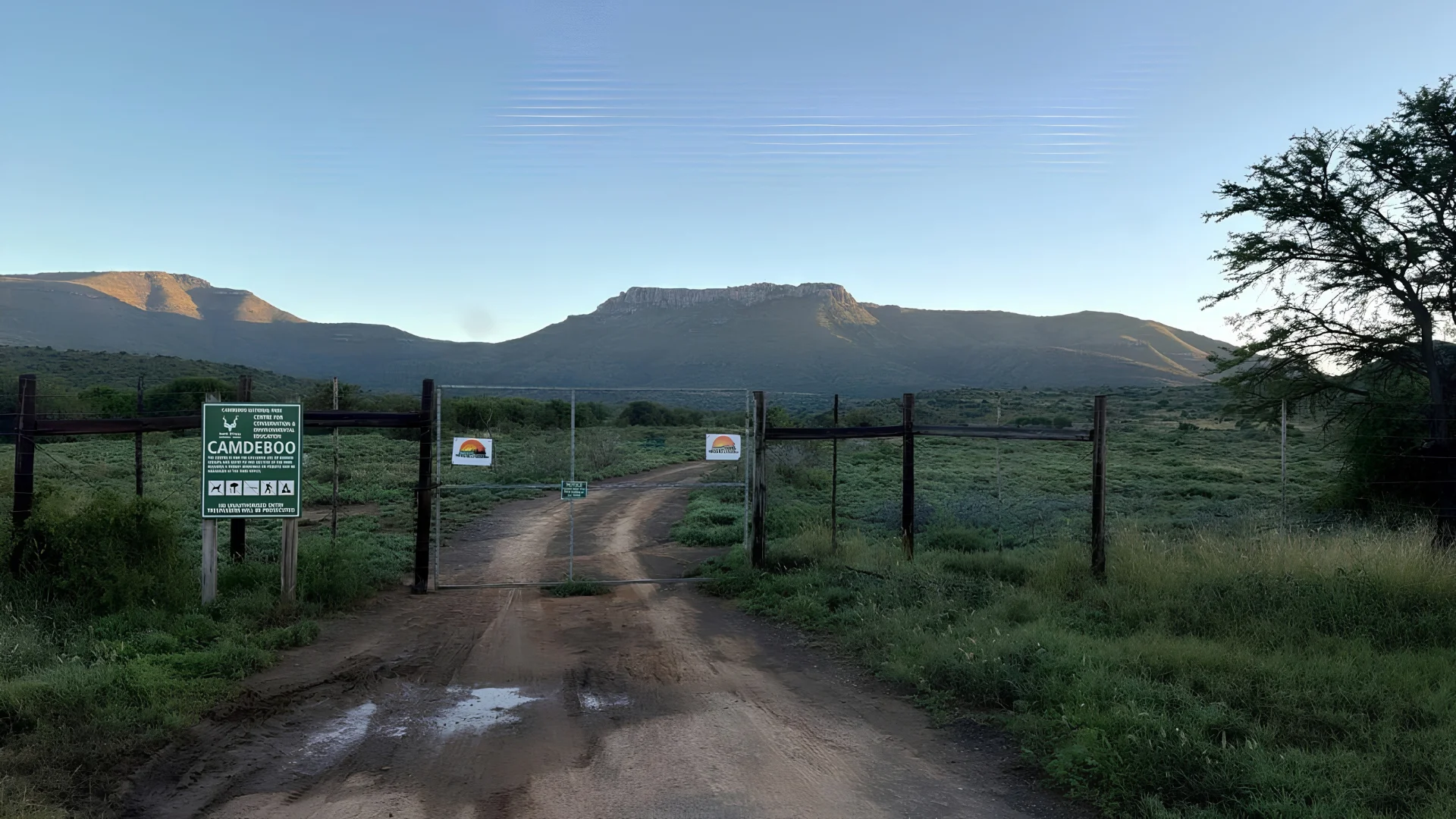
C4 EcoSolutions was in Camdeboo from 9–11 June for the Thicket Forum, where we presented our ongoing biome-wide restoration strategy for South Africa’s Albany Thicket. This strategy is part of our work as core partners in ReLISA (Restoring Landscapes in South Africa; https://relisa.org), a five-year consortium programme mobilising finance for landscape- and ecosystem-scale restoration across South Africa. One focus of ReLISA is thicket restoration across the Eastern Cape.
The forthcoming strategy report takes stock of where this restoration sector currently stands, what has been learned about restoring thicket so far, and where the main gaps still lie. It is intended as a shared reference for policy makers, practitioners, landowners and funders — a living document that will be updated as new evidence becomes available.
Towards a coordinated, biome-wide strategy for restoring thicket, we:
- Reiterate the case for restoration — ~1.25 million ha of degraded thicket in the Eastern Cape, and the ecological and economic benefits to restoring it.
- Summarise current best practice from projects to date, and where common approaches can improve.
- Identify the main constraints to investment at scale — soil carbon measurement, herbivory management, sequestration rate extrapolation, and tenure and finance structures.
- Set out the near-term work programme to close those gaps, the policy enablers required, and the gaps after the gaps — longer-term goals for the sector as the global environmental policy and finance landscape shifts.
ReLISA is supported by IKI and UNEP and delivered in partnership with the Government of South Africa. The programme sits at the intersection of restoration science, carbon finance and landowner engagement — if you are working on similar opportunities, whether as a landowner, practitioner, policy maker or funder, we would be glad to hear from you: https://www.relisa.org/get-involved/.
Thank you to the Thicket Forum organisers for convening three days of substantive exchange, and to everyone who shared their research and experience.