
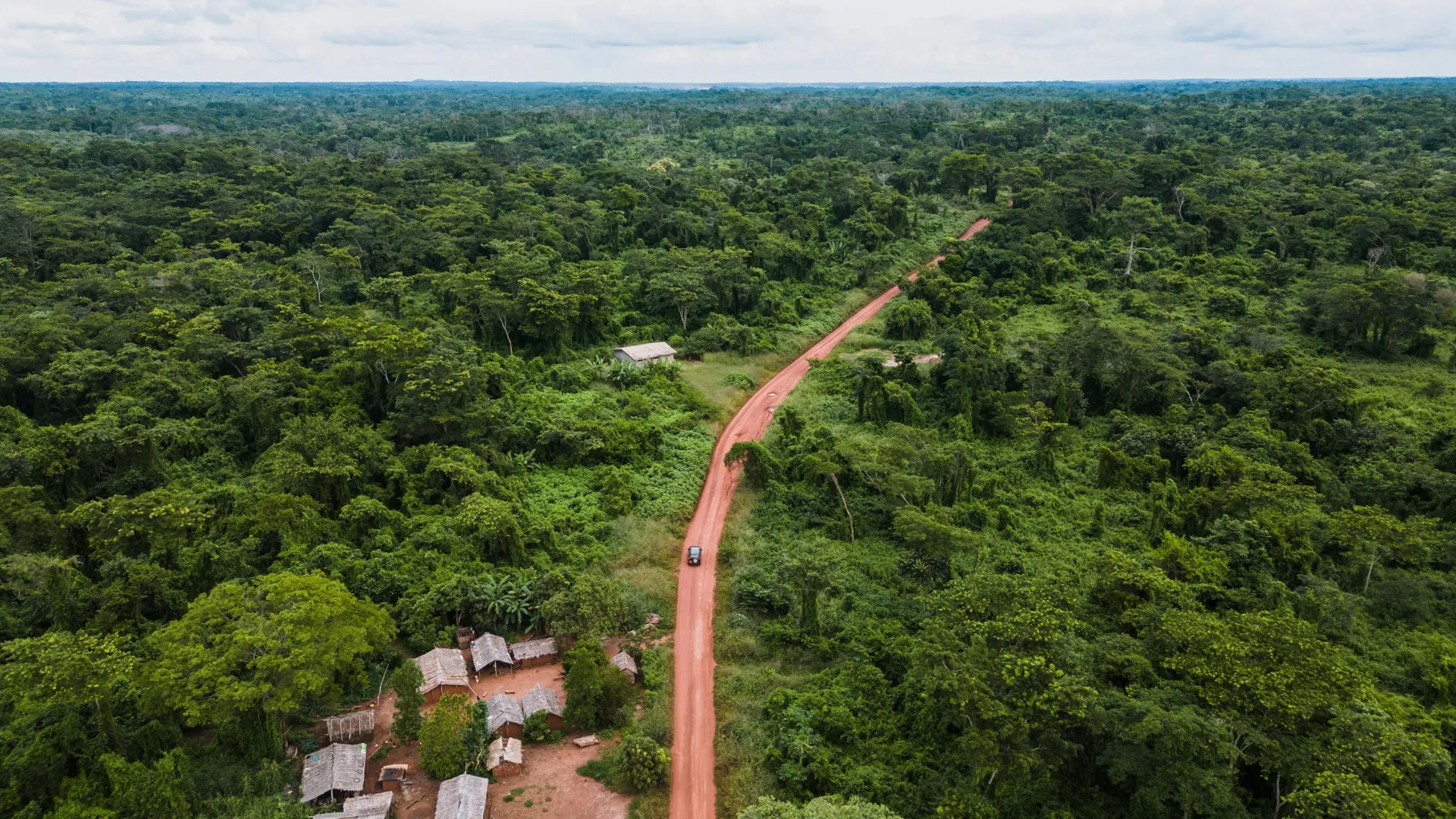
Zambia launched its National Carbon Registry on 7 August, marking another step in the practical implementation of Article 6. The country now has the regulatory and digital architecture to track mitigation activities, authorisations and transfers under its carbon-market framework.
Zambia is not alone: Article 6 is moving out of the negotiating room and into national law.
That national infrastructure matters. Credible tracking is what lets a country state, which credits exist, who holds them, and whether they have been authorised for transfer abroad. Without it, corresponding adjustments are guesswork and serious buyers stay away. Zambia’s Ministry of Green Economy and Environment reports more than 90 projects already at different stages of approval, alongside bilateral Article 6 agreements with Sweden, Norway and Switzerland. But setting up a national architecture is only half of the consideration when it comes to delivery.
The other half is the project pipeline that has to feed it. Across more than 80 carbon project assignments spanning the development pipeline — from feasibility and scoping through to VCS project documentation and Verra registry listing — we have repeatedly seen how much of the work required for a credible carbon asset happens before it reaches a national registry: establishing a defensible baseline, demonstrating additionality, designing workable monitoring systems, securing land and stakeholder arrangements, and developing benefit-sharing mechanisms communities still recognise as fair in year seven.
Article 6 does not replace that project-development work; it adds another layer to it. A technically credible project must also fit host-country eligibility and authorisation criteria, align with national priorities and, where mitigation outcomes are authorised for international use, be accounted for against the host country’s NDC.
National systems and project development are therefore not separate challenges. They are two parts of the same delivery chain. A registry can provide the infrastructure for credible accounting and transfer; it cannot make an underlying mitigation activity additional, measurable or investable.
Zambia’s registry is the work of the Ministry of Green Economy and Environment and ZEMA, with technical support from GGGI through the SPAR6C programme. Our own work sits on the other side of that equation. Through one of C4’s partners, AfriCarbon, restoration of degraded thicket is underway in South Africa’s Eastern Cape — in 2023 alone, roughly 350 people planted more than 30 million trees across 5,200 hectares. Reaching that standard takes years of hard work and substantial upfront investment. That is exactly why supply is the constraint.
A question for others working in this sphere: as more countries build out Article 6 infrastructure through 2026, where do you see the real bottleneck — national systems, or the supply of projects that can clear the integrity bar?