
At C4, we have been debating a question that sits at the heart of the voluntary carbon market: how do we protect integrity without losing sight of impact?
For us, the answer is clear: we need both.
Integrity must 𝘢𝘭𝘸𝘢𝘺𝘴 remain non-negotiable. Oversight must be strong. Communities must receive their fair share of benefits. And every verified credit must represent real carbon sequestered, avoided, or reduced.
At the same time, we should remember that carbon markets are still young and evolving, and that every project is unique. There is nuance in each landscape, each community, and each intervention. Methodologies cannot always capture every nuance, which is why it is essential that technical partners stay in close contact with the standards, sharing their on-the-ground experience to help refine and evolve the system.
Rather than designing markets that start loose and then tighten over time, we should begin with the screws firmly in place, ensuring high integrity from the start, and then carefully adjust to allow credible, community-based projects to thrive and scale.
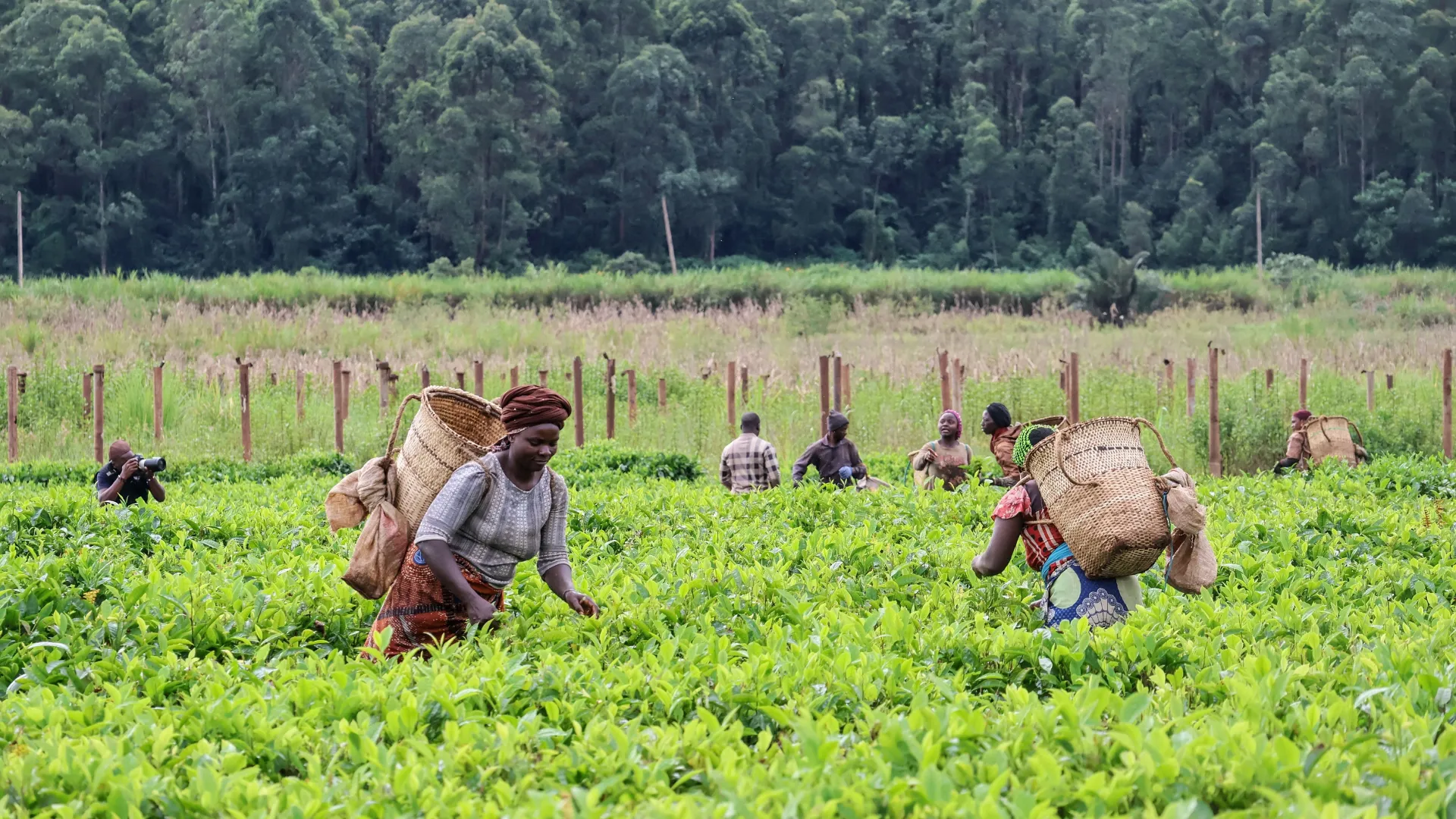
For many communities across Africa, Southeast Asia, and Latin America, carbon finance can be one of the only sources of climate finance reaching the ground.
At C4, we have seen what becomes possible when that finance reaches local communities :
• Communities restoring degraded forests that would otherwise be cleared
• Women-led farming cooperatives investing in climate-smart agricultural practices
• Local jobs created through reforestation and monitoring
As a result, we believe that environmental equity and integrity go hand in hand. Carbon markets can only work if they are credible, transparent and fair. Critiques that focus narrowly on isolated cases risk overshadowing the many projects that generate genuine climate benefits and support the livelihoods of hard-working people.
It is also important to recognize that every credible carbon project already undergoes extraordinary scrutiny , from standards bodies, auditors, buyers, technical partners, and developers all working to ensure that the credits represent real, measurable climate impact. Technical partners often include scientific teams, publish peer-reviewed papers, and apply rigorous field and satellite-based methodologies.
That is why we back robust VVB oversight, science-led project design, and the continued evolution of methodologies.
Let us not lose sight of what is at stake: the protection of forests, increasing the resilience of communities, and the pursuit of a just transition that includes those too often left behind.