
At its core, MRV safeguards environmental integrity. Without robust MRV processes, buyers would have little confidence that a purchased offset truly cancels out a tonne of their emissions. The fundamental purpose is to provide credibility to climate actions and create a common framework so all projects are assessed by comparable standards.
Monitoring
- The process begins with measuring emissions reduced or removed by following an approved methodology under a recognized standard like Verra’s VCS or Gold Standard. Project developers first define a baseline — what emissions would occur without the project — then continuously collect data during operations.
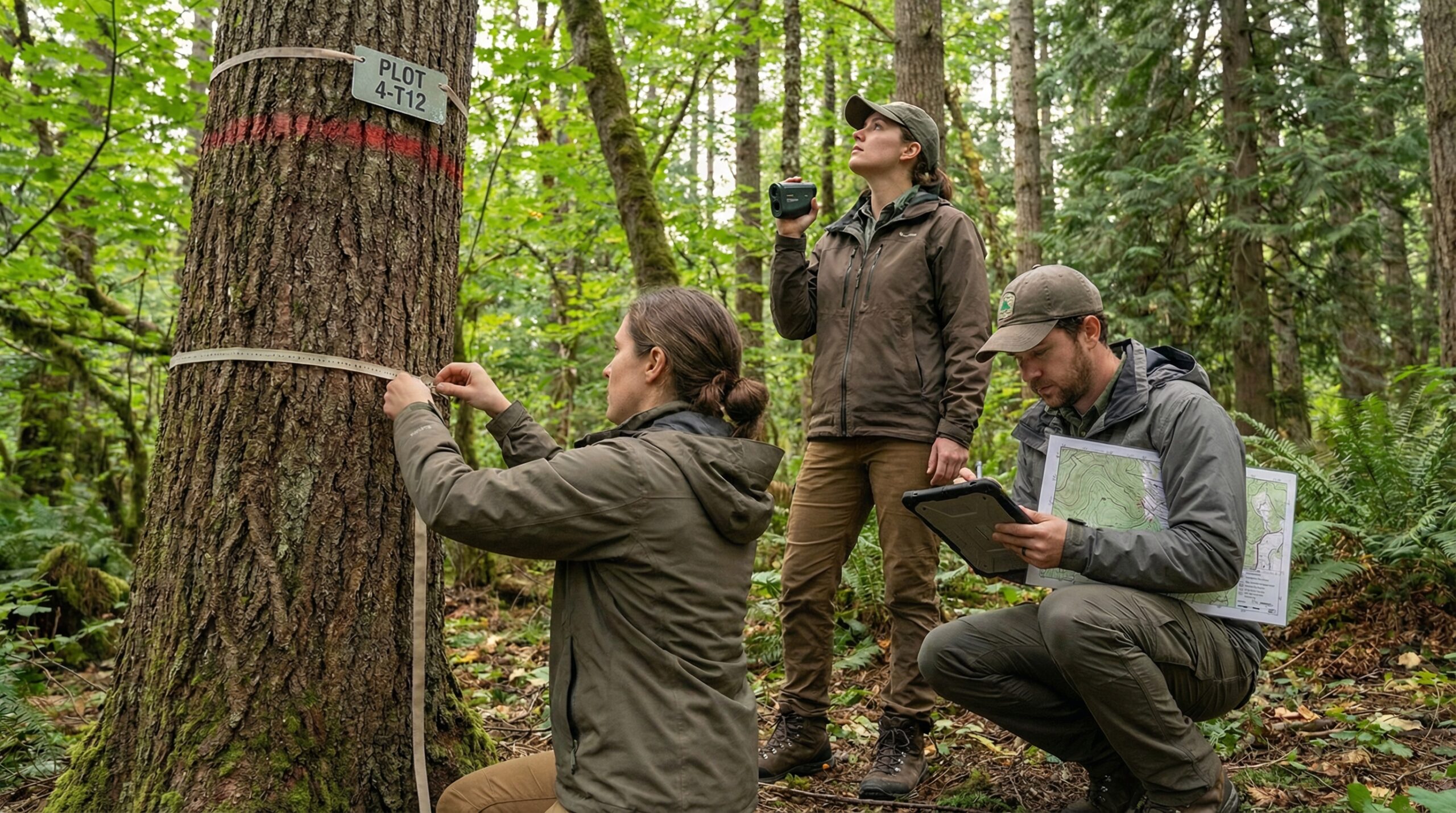
- This looks different depending on project type. Forest carbon projects survey changes in forest cover using satellite imagery and ground measurements. Clean cookstove projects track actual stove usage through household surveys. The goal is always the same: gather accurate, reliable data on the greenhouse gas impact.
Reporting
- Once monitoring data is collected and emission reductions are calculated relative to the baseline, developers compile detailed reports documenting all measurements, methods, calculations, and evidence. This creates transparency by making project data and methods available for scrutiny. The report is submitted to an accredited third-party auditor who cross-checks everything against the chosen standard’s requirements.
Verification
- The final step involves an independent auditor formally reviewing and attesting to the project’s results. Verification provides impartial assessment, ensuring measured reductions are real, additional, and calculated correctly. Only after successful verification can credits be considered fully legitimate.
- Importantly, verification must be done by a truly independent third party with no stake in the project’s outcome. This separation prevents conflicts of interest and ensures unbiased results, serving as the gatekeeper of integrity that catches mistakes or exaggerations from earlier steps.
As the voluntary carbon market faces growing scrutiny, improving MRV is the surest way to safeguard integrity and rebuild trust. Standards are bolstering their requirements defining what high-quality MRV entails across the board through their Core Carbon Principles.
Our approach
At TAG-C4, MRV is embedded into project design from inception rather than added retrospectively as a reporting requirement. This means converting carbon standard requirements into field-ready data collection protocols, measurement guides and quality assurance procedures that function within the operational constraints of specific landscapes and project partners.
To achieve this, we support project teams to select methodologies aligned with project objectives, establish defensible baselines using available data sources, define monitoring plans that specify measurement frequency and methods, and implement data collection systems before field operations begin. These activities ensure MRV systems remain compliant with standards such as Verra VCS and Gold Standard while remaining operationally feasible given local terrain, resource availability, and partner capacity.
Our approach prioritises data quality, traceability, and audit readiness. Monitoring systems incorporate clear documentation protocols, version control for all data and calculation files, and internal quality checks applied throughout each monitoring period. These controls reduce verification risk by ensuring data withstands third-party scrutiny, minimise last-minute corrections that delay credit issuance, and support consistent performance across multiple verification cycles.
These built-in quality controls become essential as voluntary carbon market oversight intensifies. Well-designed MRV systems reduce verification risk, maintain project credibility, and provide confidence to regulators, auditors and credit buyers. Implementing comprehensive MRV frameworks during project design represents one of the most effective risk management strategies available to project developers.