
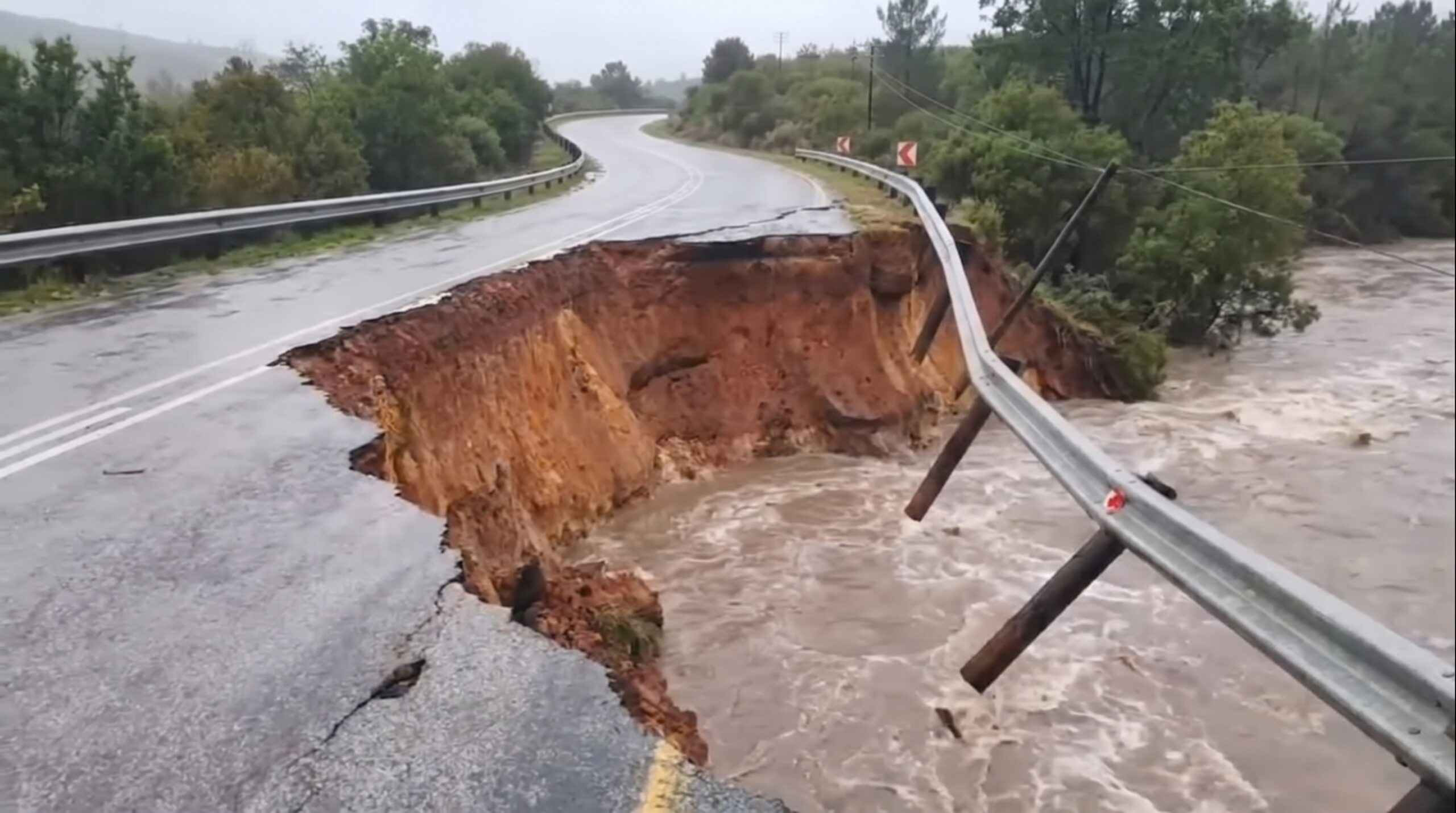
For years, many parts of the Eastern Cape, South Africa, have faced prolonged drought, declining dam levels and severe water restrictions. However, in early May, much of Gqeberha (formerly Port Elizabeth) and surrounding areas experienced the opposite extreme: intense rainfall, resulting in widespread flooding, accompanied by strong winds. Across the city, many homes, businesses and infrastructure were inundated. In some areas, roads and sidewalks washed away, trees were uprooted, schools had to close and healthcare facilities were affected, leading to considerable financial loss. These impacts are particularly relevant to C4 EcoSolutions, as several staff members reside in Gqeberha and surrounding areas.
Events like these highlight how climate variability is becoming more pronounced. Periods of prolonged drought are punctuated by high-intensity rainfall events, where rainfall exceeds the capacity of soils, stormwater systems and river channels to absorb or drain water, resulting in rapid overland flow and flooding. At the same time, stormwater infrastructure, drainage systems and urban planning approaches developed for historical climate conditions are increasingly being tested beyond their initial design limits. This increases community exposure along rivers and in low-lying urban areas, particularly where ageing infrastructure, informal settlement expansion and limited drainage capacity intersect.
Adaptation therefore needs to move beyond disaster response alone. Building urban resilience requires cities to proactively reduce flood risk through coordinated planning, infrastructure investment and ecosystem restoration and protection. Municipal planning should integrate flood risk mapping, updated stormwater design standards, regular maintenance of drainage infrastructure and climate-resilient land-use planning to improve preparedness for future flood events. Ecosystem-based adaptation measures — including the protection and restoration of riparian buffer zones or the development and maintenance of urban green spaces — can also help slow surface runoff, reduce flood intensity and support water security during drought periods.
These events are a reminder that climate change is no longer a future concern. Across South Africa and globally, communities, businesses and local governments are already operating within a more variable and extreme climate, with impacts expected to intensify without improved adaptation and preparedness measures.