
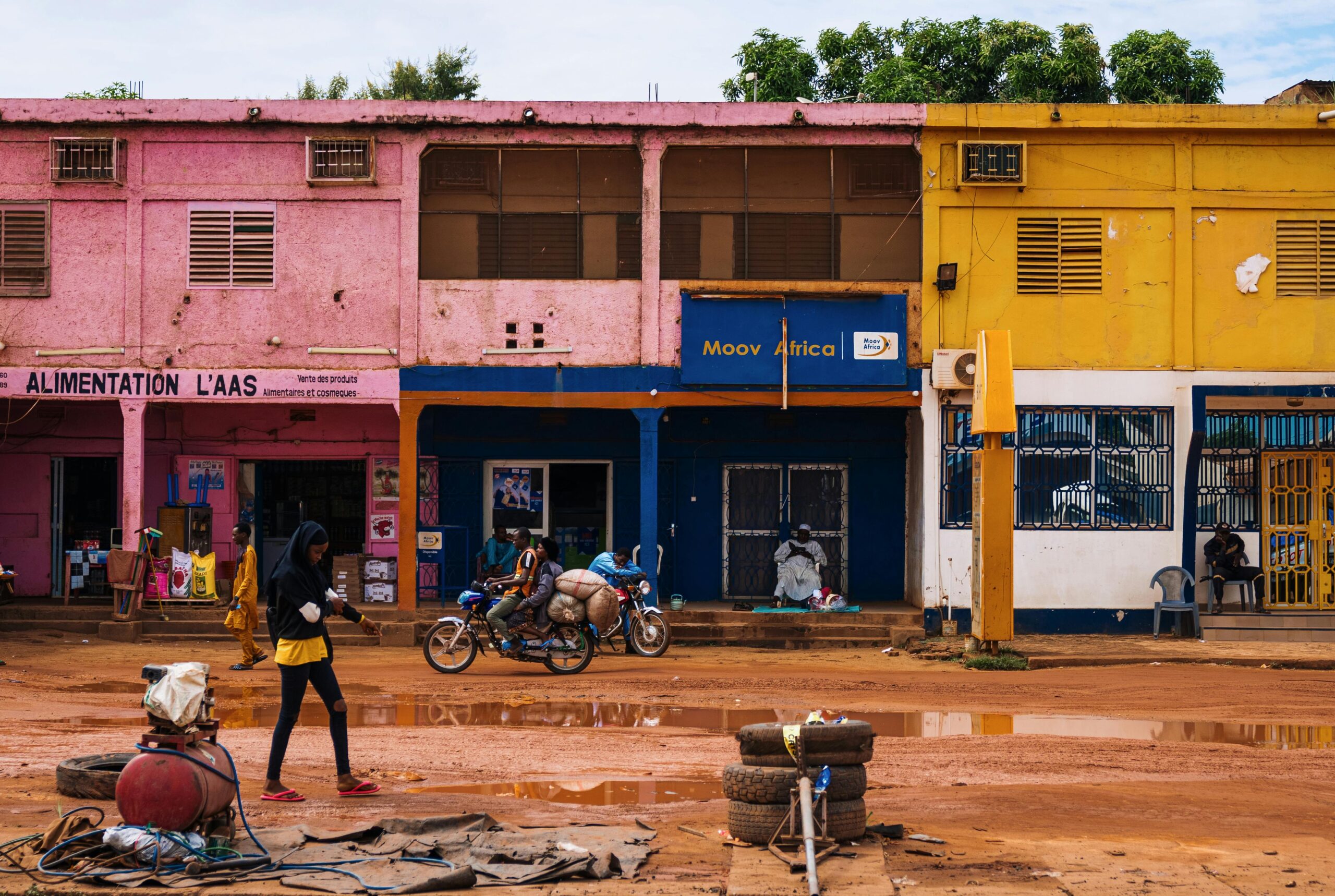
I have spent a significant part of my career working in West Africa — most intensively across five years leading climate project delivery in Mali. During that time, I have come to understand something that does not always make it into project proposals or capability statements: the most important factor in successful delivery in complex African environments is not technical expertise. It is whether you actually know how to operate in Africa.
That knowledge is not something you can acquire quickly. It comes from years of direct experience — of working inside African institutions, building relationships with local communities, navigating infrastructure that does not behave the way you planned, and continuing to deliver when the conditions you assumed no longer apply. At C4 EcoSolutions, that experience is not a differentiator on paper. It is the foundation on which everything we do is built.
What Outsiders Underestimate
Organisations arriving in environments like Mali from more predictable, fully-resourced contexts often underestimate what adaptation is required. They may have world-class technical teams and robust methodologies. What they frequently lack is the institutional and practical knowledge of how to actually move through these environments — how government ministries function day to day, how trust is established with farming communities, how to keep a project on track when roads are impassable, security conditions shift overnight, or a key local partner is unavailable.
In my experience, this is where delivery fails. Not in the technical design, but in the execution — in the hundred decisions that have to be made on the ground, in real time, by people who either understand the environment they are in or are still learning it.
Constraints Are Conditions, Not Barriers
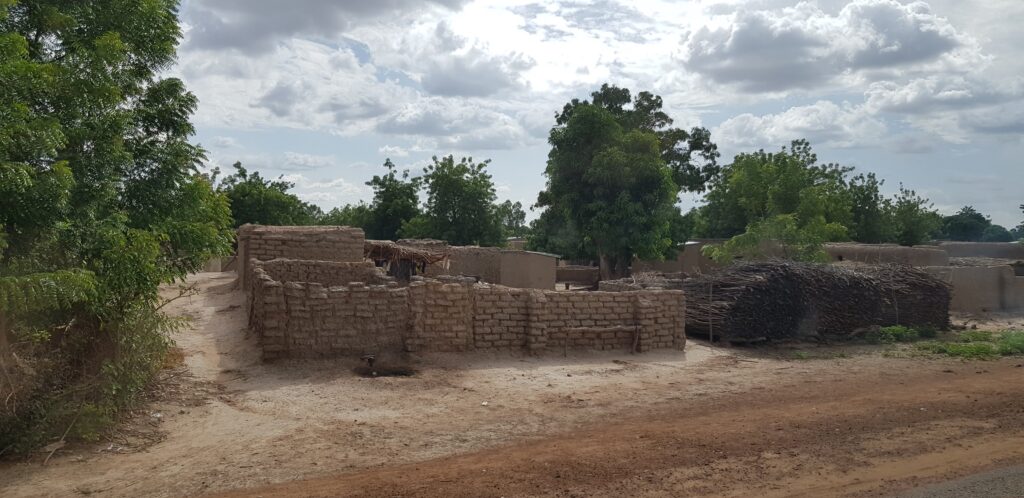
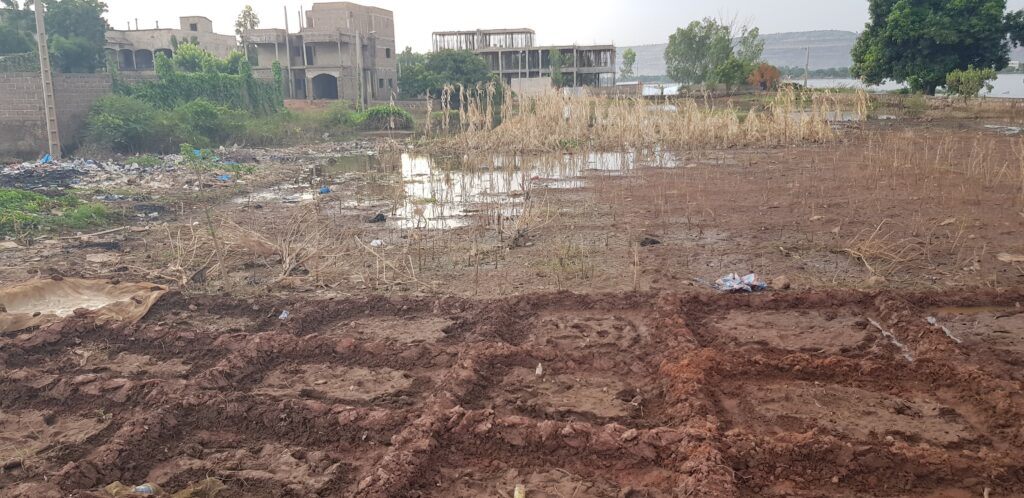
Working in Mali means working with infrastructure that is, in places, effectively non-existent. It means operating in a country divided by active conflict, where areas north of Mopti require constant security verification and real-time coordination with military authorities. It means bridging language differences between French and Bambara, managing personal health risks including malaria, and planning operations around weather systems that may require simultaneous deployments across multiple locations in a single week.
None of these are reasons to pause. They are conditions to plan around. Our teams approach them not as exceptions or obstacles, but as familiar operating realities. We send vehicles ahead to confirm roads are passable. We maintain trusted contacts in local communities so that when we arrive in the field, we are not starting from zero. We build security coordination into project design from the outset, not as an afterthought.
This is what years of working across the continent produces: not just resilience, but anticipation. We know what to expect, because we have seen it before.

Real Stakeholder Integration
In Mali, our stakeholder network included the national meteorological service (Mali-Météo), the Ministry of Forestry, the Ministry of Agriculture, energy stakeholders linked to the country’s hydropower infrastructure, local farming communities and the Ministry of Defence. Coordinating across that range of institutions is not something you can do effectively from a distance, or by treating engagement as a communication exercise.
Our approach was to give every stakeholder a genuine role in delivery. A representative from Mali-Météo flew with us during storm operations. The Ministry of Defence was an active operational partner, providing real-time guidance on accessible areas and tracking our aircraft movements. The Ministry of Agriculture was involved in defining what success looked like — not just informed of it after the fact.
This level of integration is only possible when you have the relationships and cultural fluency to sustain it. That understanding is built over time, through direct engagement — not assembled before a project starts.
Designing Around What Communities Actually Need
One of the most consistent lessons from my years in the Sahel is that interventions designed around external frameworks — rather than around what communities actually need — do not sustain. Across Mali, despite geopolitical complexity and the presence of active conflict, the people I worked with shared the same fundamental goals. They wanted to be able to feed their families. They wanted to feel safe. They wanted their children to have access to education.
Designing projects that are genuinely relevant to communities requires starting from that common ground. It requires listening before specifying, and remaining attentive to how community priorities evolve over the course of a project. Organisations that arrive with predetermined solutions and try to fit communities around them consistently struggle to sustain impact.
The C4 EcoSolutions Position
At C4, we are an African company — and that is not incidental to what we do. It shapes how we design projects, how we engage governments and communities, how we staff and run operations on the ground, and how we think about what success means. We are not adapting to African contexts. We are working in environments we know, with partners we have built real relationships with, applying expertise developed through direct experience rather than imported from elsewhere.
In climate project delivery, the gap between technical capability and actual impact is often bridged — or lost — in execution. We have spent years building the knowledge and the relationships that allow us to bridge that gap, consistently, across some of the most demanding operating environments on the continent.