
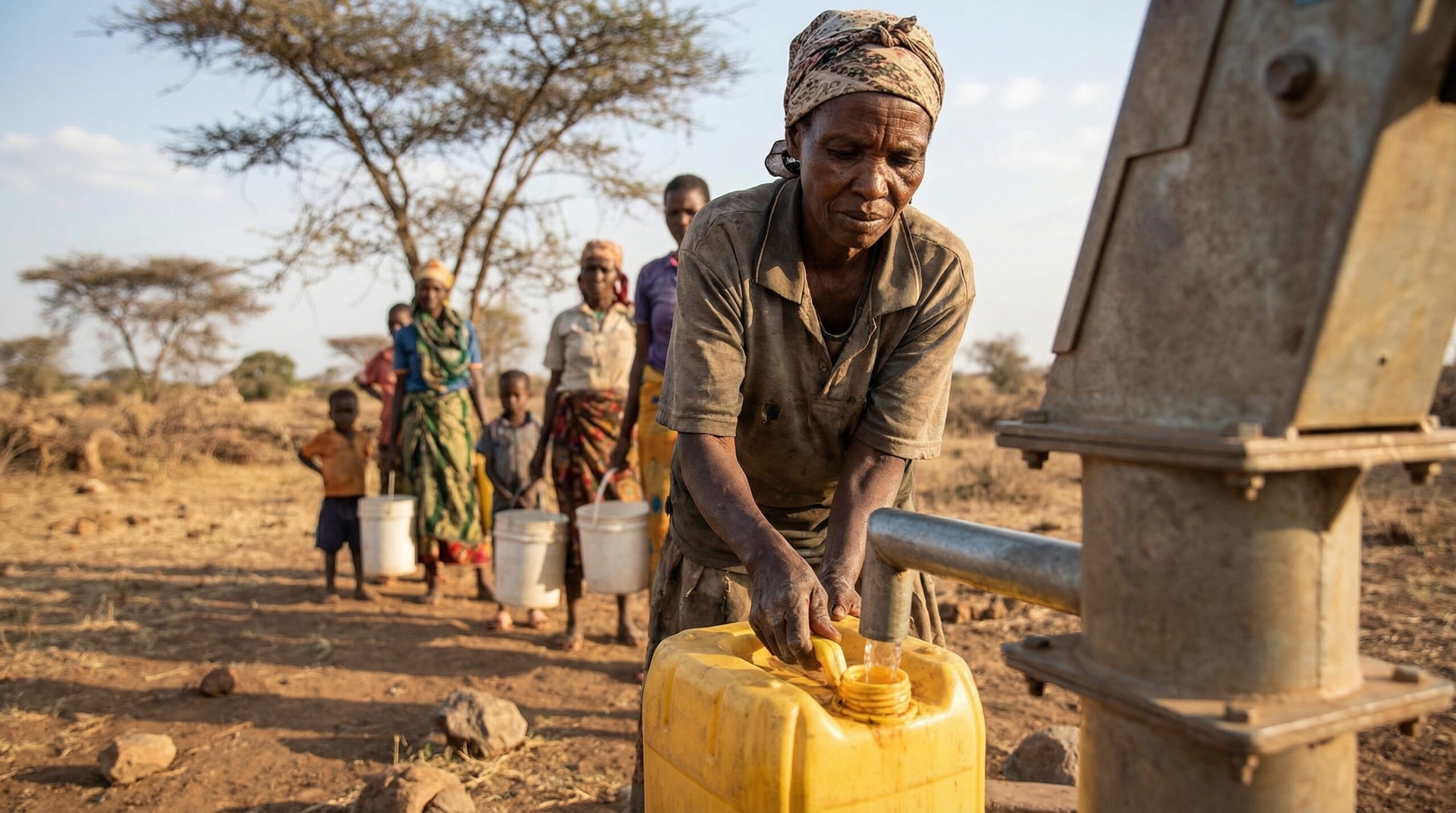
The water crisis is a women’s crisis — threatening security, equitable development and ecological stability across every region of the world. This message for World Water Day 2026 resonates strongly with our mission: to design and deliver solutions that ensure people and nature can thrive equitablyin an ever-changing world. At C4 EcoSolutions, our commitment to the resilience of women and water recognises the need for gender-responsive water resource management, without which, sustainable development cannot be achieved.
As climate change is exacerbating challenges in water security, disproportionately impacting women — by increasing domestic care responsibilities, compromising safety, health and hygiene, and threatening food security — the need for integrated, equitable interventions is at its most urgent. This World Water Day, we want to reflect on five key areas that C4 EcoSolutions has had the opportunity to contribute to, mainstreaming women directly into water stewardship.
Watersheds and Catchment Planning: Inclusive catchment planning that actively engages women, the youth and marginalised groups ensures that water management decisions reflect the realities of those most affected by climate and water risks.
Stakeholder and Basin-Level Partnerships: Creating opportunities for women to take on leadership roles in basin partnerships strengthens inclusive governance and builds long-term capacity for climate adaptation.
Hydrological and Climate Risk Analysis: Climate and hydrological information systems are most effective when they are accessible and responsive to the needs of diverse users, including women and persons with disabilities.
Water-Linked Co-benefits and Livelihoods: Integrating livelihood opportunities into water initiatives can empower women economically while strengthening community resilience to climate and water stress.
Water Governance, Policy and Systems Strengthening: Ensuring balanced representation of women in water governance spaces helps embed more inclusive and equitable decision-making in policy and practice.
We look forward to continuing to apply these principles towards strengthening women’s leadership, integration and authority in water for a resilient, sustainable, equitable and productive world.
“Where water flows, equality grows.”